
Paddle AI Toolkit Review 2026: MCP Integration, Billing from Claude/Cursor and Usage-Based Billing Waitlist
Paddle AI Toolkit connects billing actions directly to Claude Code, Cursor and similar tools via Model Context Protocol. The setup supports sandbox testing now with usage-based billing entering private preview in early 2027.
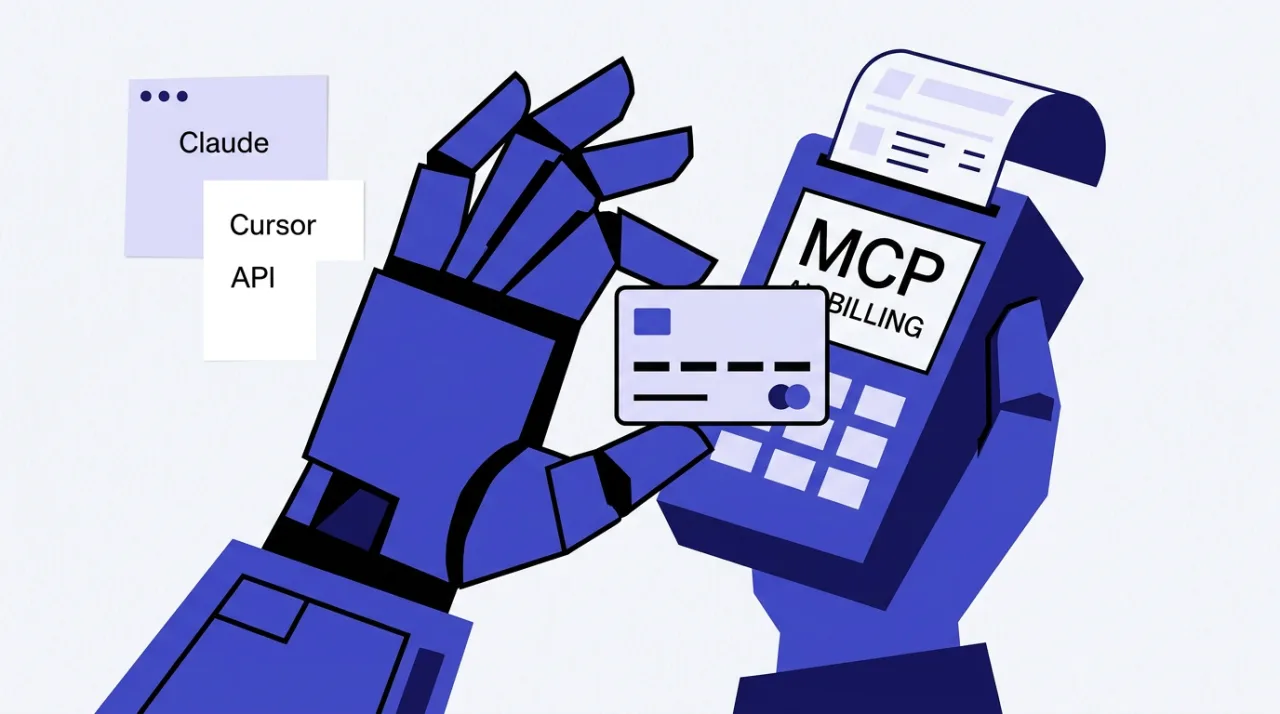
Paddle AI Toolkit gives developers a way to create, test and manage billing flows inside AI coding environments without leaving the chat interface. Launched on October 20, 2026, the toolkit uses Model Context Protocol servers to connect Claude Code, Codex, Cursor and Gemini CLI to Paddle accounts. Agents can run authenticated actions but every change still requires explicit human approval before it reaches the live system.
Paddle MCP Integration with AI Coding Tools
The toolkit consists of three main parts that agents access through MCP. Docs MCP provides read-only access to current documentation, OpenAPI specifications and SDK references at paddlehq.mcp.kapa.ai. Billing MCP handles authenticated operations such as product and price creation, webhook configuration and test checkout generation on both sandbox and live endpoints. Agent Skills supply step-by-step patterns and code templates for common workflows.
Agents operate in codemode, which combines search, execute and report functions to speed up repetitive tasks. All live actions require OAuth or API key authentication and default to a review step before any subscription or price change goes live. Sandbox promotion to production is supported, along with localized pricing across 170 countries and basic metrics charts through MCP Apps.
Setup begins with the Paddle plugin, which installs the required MCP servers in one command. Developers then connect their existing Paddle account and choose scoped keys that limit what the agent can modify. Typical early tests cover creation of one-time purchases or subscription plans inside the AI tool, followed by manual verification in the Paddle dashboard.
- Docs MCP: read-only reference at paddlehq.mcp.kapa.ai
- Billing MCP sandbox: https://sandbox-mcp.paddle.com/mcp
- Billing MCP live: https://mcp.paddle.com/mcp
- Agent Skills: integration patterns and code templates
- Human approval gate: required before any live change
Usage-Based Billing Waitlist and Current Limitations
Native usage-based billing launched alongside the toolkit. It supports prepaid or included usage credits combined with subscriptions, with Paddle acting as merchant of record for payments, tax and compliance. The feature entered private preview waitlist on October 20, 2026 at paddle.com/ubb, with early access participants prioritized for the 2027 rollout.
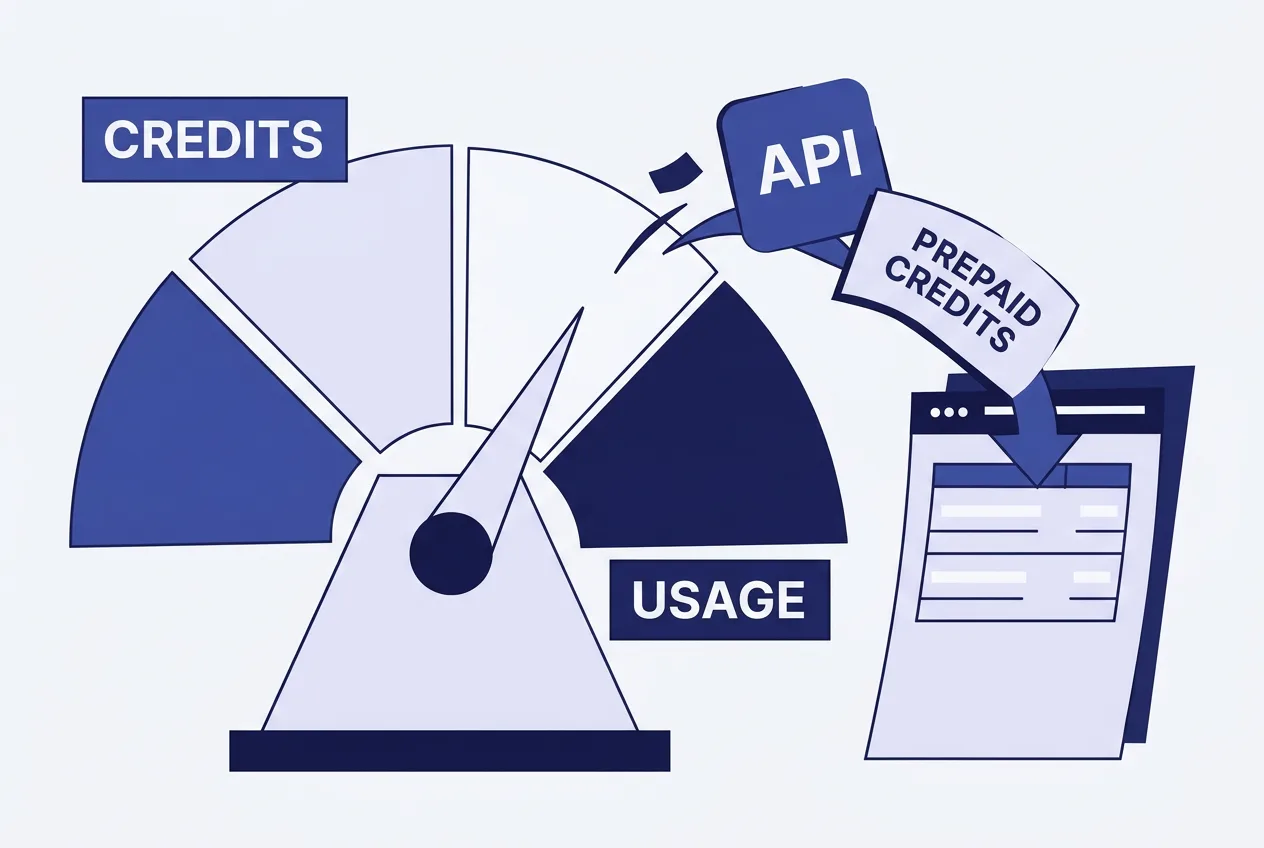
Current beta access is available only through application and runs in sandbox. Key restrictions include no automatic blocking of overages and reliance on specialist integrations for production use. Teams testing now must monitor usage manually and implement custom alerts until the full feature reaches general availability.
One documented case shows quso.ai creating a localized one-time purchase product across 170 countries inside Claude Code within a single day. The same workflow supported more than 150 pricing experiments through prompt-based changes. These results still required dashboard review before going live, illustrating the retained oversight model.
| Component | Current Access | Production Limits |
|---|---|---|
| Docs MCP | Public | Read-only only |
| Billing MCP | Sandbox + live with key | Human approval required |
| Usage-based billing | Waitlist / early access | No auto overage block |
| Agent Skills | Bundled in plugin | Template updates ongoing |
Practical Steps and Ongoing Considerations
Teams evaluating the toolkit should start in sandbox with narrowly scoped keys and explicit approval modes enabled. This setup lets developers test prompt-driven price creation and webhook configuration while keeping final control in the dashboard. Regular checks of the Paddle changelog remain necessary because MCP server capabilities continue to expand after the May 2026 remote hosting update.
Existing Paddle customers already benefit from merchant-of-record coverage in more than 300 markets. The AI toolkit simply shortens the iteration cycle between idea and test checkout. Developers who rely on rapid experimentation can run multiple pricing variants in minutes, yet must still allocate time for manual verification before any customer-facing change.
Future refinements will focus on tighter usage-based billing controls and expanded MCP Apps for metrics. Until the early 2027 private preview expands, teams needing full usage metering should continue with current specialist integrations or maintain separate tracking outside the AI environment.
Frequently asked questions
How long does it take to connect Paddle MCP to Claude Code?
The plugin installs in one command. After authentication with a scoped key, most teams complete the first test checkout within an hour, though every live change still needs manual approval in the dashboard.
What happens if an agent tries to change a live price without approval?
The system blocks the action by default. A human must review and confirm before the change reaches the live Paddle environment.
When will full usage-based billing become available?
Private preview access opens in early 2027 for waitlist participants. Current beta users have sandbox access only and must handle overage monitoring manually.
Can existing Paddle customers use the toolkit without new contracts?
Yes. The toolkit connects to current accounts through standard OAuth or API keys. No additional merchant agreements are required for the MCP features.
Comments 4