
KuCoin Web3 Wallet review: Limit Orders, Intent Swaps, Fees and Security
KuCoin Web3 Wallet review examines its September 2026 upgrades for limit orders and intent-based swaps, including fees, limits and security in a self-custodial setup.
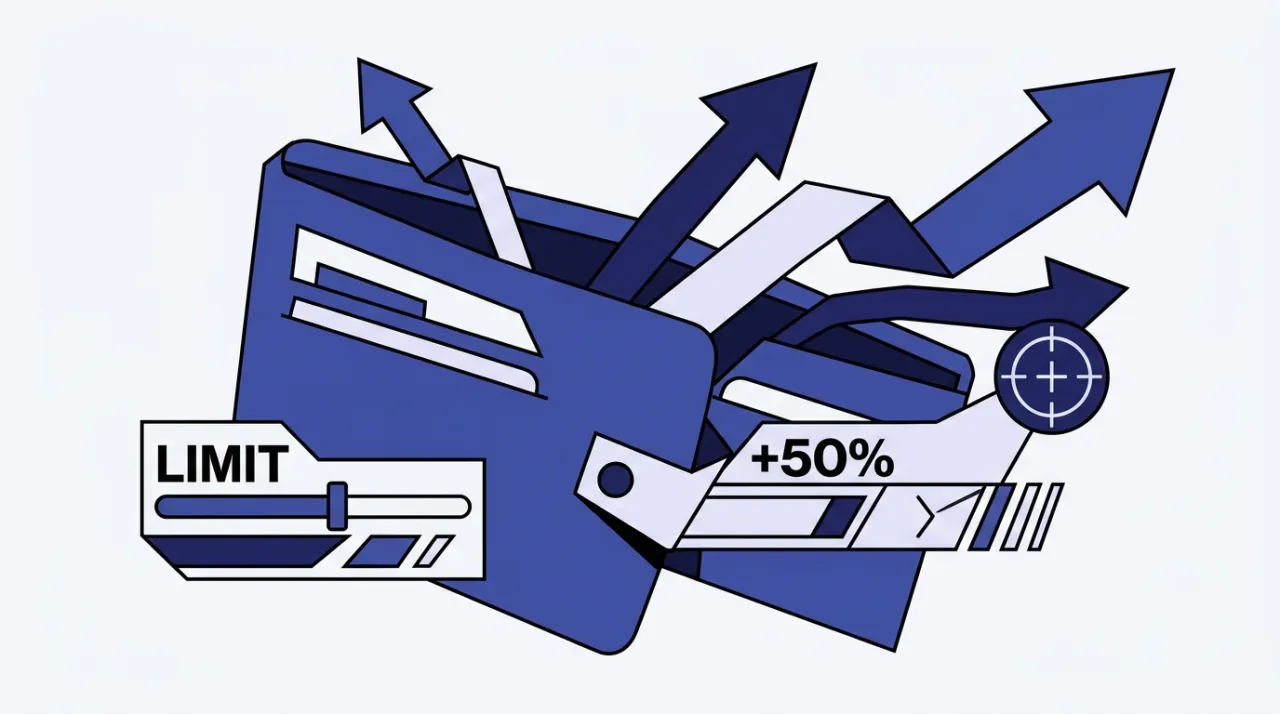
KuCoin Web3 Wallet review shows a self-custodial multichain tool that added limit orders and intent swaps in one interface on 2 September 2026. Traders set target rates or desired outcomes without leaving the app. Execution relies on established protocols rather than new custom code.
The wallet supports more than twenty networks, including Ethereum, Arbitrum, Base, Solana and BNB Chain. Users control private keys and seed phrases at all times. No KuCoin entity holds Web3 assets.
KuCoin Web3 Wallet review: How Limit Orders and Intent Swaps Work
Limit orders are created inside the Swap tab by selecting Market or Limit mode. Traders choose a target rate such as market price, plus 20 percent, plus 50 percent or a custom figure, then set an expiry of 10 minutes, one hour, 24 hours, three days or seven days. The order is signed cryptographically and remains off-chain until filled or cancelled. Gas is not charged for creation when token allowance is already set.
Intent swaps let users state the desired result, after which third-party fillers compete to complete the trade. Available routes pull liquidity from UniswapX and PancakeSwapX integrations. These paths can include gas abstraction on eligible transfers and MEV protection that reduces front-running and sandwich risks. The same interface also handles tokenized RWAs when liquidity and issuer rules permit.
Market swaps execute at once using current quotes. Slippage tolerance settings and a Smart Slippage option help control execution. All on-chain actions still require the native gas token of the chosen network.
Fees, Limits and Security Details
No wallet-specific trading fees apply to swaps or limit orders beyond standard network gas. Gas costs vary with chain congestion and are paid in the native token. Intent routes sometimes remove gas fees for the user. Order expiries cannot exceed seven days. Minimum received amounts are calculated from the quoted figure minus the chosen slippage percentage.
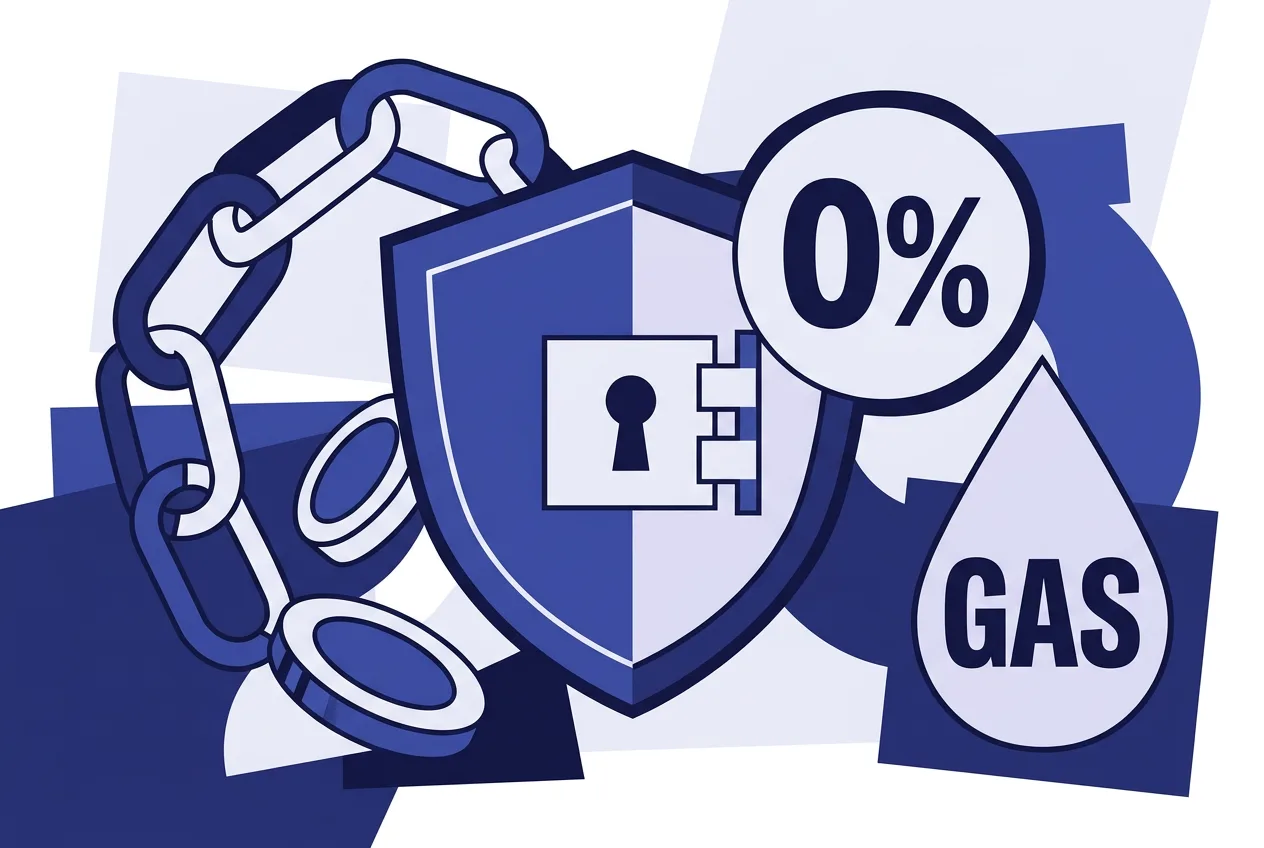
Security rests on full self-custody. Users alone hold keys and seed phrases. Biometric authentication and encrypted cloud backup are available. MEV protection and slippage controls add further safeguards. The wallet remains separate from the KuCoin centralised exchange, which publishes its own proof-of-reserves data and holds SOC 2 Type II and ISO certifications.
Common risks include phishing sites, malicious decentralised applications and irreversible transactions. Hardware wallets reduce online exposure but remove mobile convenience. No specific third-party audit reports for the Web3 wallet itself appear in current documentation.
Comparison with Other Self-Custodial Wallets
The table below compares execution features across four self-custodial options that support decentralised trading.
| Wallet | Limit Orders | Intent Swaps | Supported Chains | Native Perps | RWA Support |
|---|---|---|---|---|---|
| KuCoin Web3 Wallet | Yes (1inch) | Yes (UniswapX, PancakeSwapX) | 20+ | Hyperliquid | Yes |
| MetaMask | Via extensions | Limited | EVM focus | No | Limited |
| Phantom | Basic | No | Solana + EVM | No | No |
| Rabby | Via 1inch | No | EVM focus | No | No |
KuCoin Web3 Wallet stands out for native perpetuals and Smart Money insights inside the same app. It also offers direct CEX-to-self-custody transfers. MetaMask and Rabby require more extensions or separate tabs for comparable order types. Phantom focuses on Solana speed but lacks the same intent execution depth. Hardware options like Ledger provide stronger offline protection yet cannot run these in-app trading tools directly.
Frequently asked questions
Does the KuCoin Web3 Wallet charge trading fees on limit orders?
No wallet-specific fees apply. Users pay only the network gas token required by the chosen chain. Gas estimates appear before confirmation.
How long can a limit order remain active?
Expiry options reach a maximum of seven days. After that period the order is automatically cancelled if unfilled.
What security measures protect assets in the KuCoin Web3 Wallet?
The wallet is fully self-custodial so users alone control keys. Biometric login, encrypted backup and optional MEV protection are included. Seed phrase safety remains the user responsibility.
Which networks support limit orders in the wallet?
Supported EVM chains include Ethereum, Arbitrum, Base, Optimism, BNB Chain and Polygon. Solana and several additional networks are available for market swaps.
Comments 5