
Peer P2P USDC Alipay Beta Review 2026: Fees, Limits, Verification and Alternatives
Peer P2P opened a beta Alipay channel for USDC trades against CNY in late October 2026. The non-custodial setup uses Base escrow and direct Alipay payments, though Alipay has publicly denied any connection.
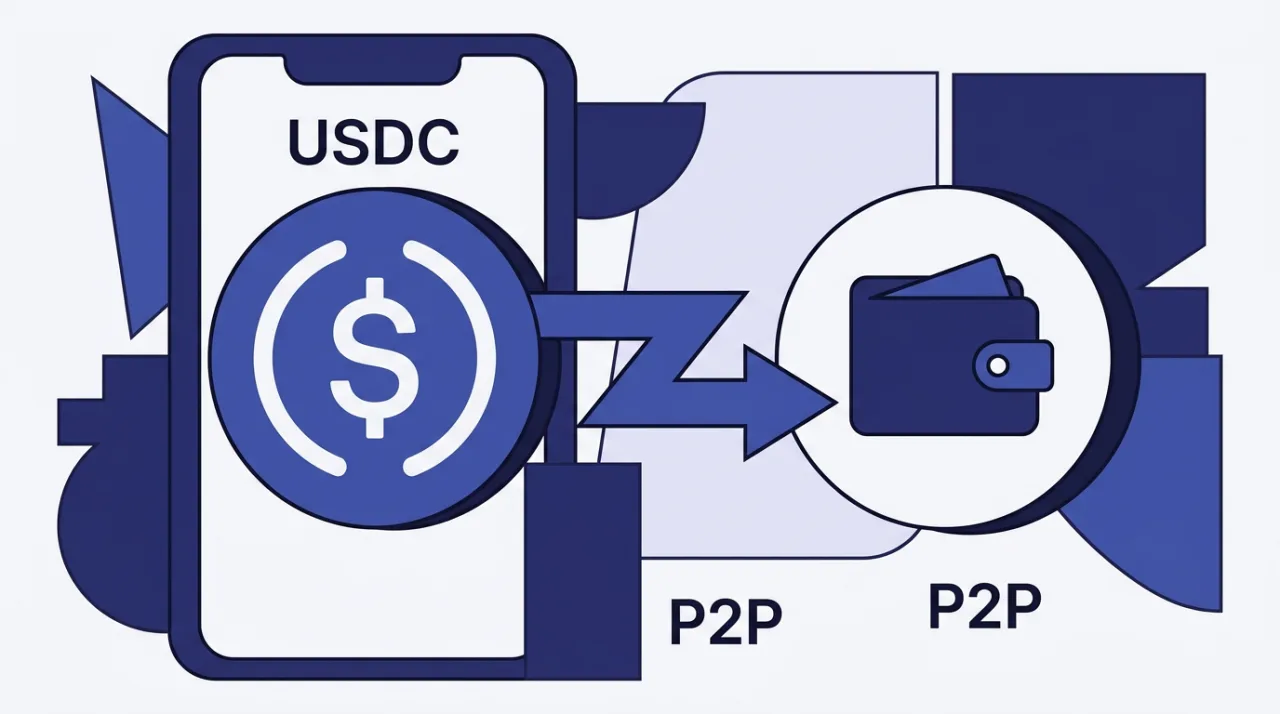
Peer P2P launched its Alipay beta channel on October 27, 2026, allowing users to buy and sell USDC for CNY through direct peer payments on Base. The channel uses an escrow smart contract and off-chain payment verification. Volume remains low at roughly $7,094 across 107 completed orders since the beta opened in August.
The service runs without platform custody. Sellers lock USDC in escrow, buyers send CNY via their own Alipay accounts, and proof of payment triggers release. Alipay stated on October 28 that it does not support virtual currency trading and called third-party claims unauthorized.
Peer P2P USDC Alipay Fees and Limits in 2026
Buyers pay a taker service fee of up to 0.95 percent. Sellers add their own spread to the quoted price. Bridge or cross-chain transfers outside Base can add another 0.5 percent. No maker fee is listed for this channel.
New listings typically range from 5 to 500 USDC per order. Older listings may differ. Beta rules remain subject to change and current volume consists mostly of small test trades averaging $66 each.
Verification requires only a wallet connection and an existing Alipay account. Payment proof covers amount, recipient and timestamp but shares no full transaction history. Some sellers enable automated release after private attestation through the PeerAuth extension.
Peer vs Traditional P2P Platforms
Peer operates as a permissionless protocol on Base with non-custodial escrow. Traditional platforms such as Binance P2P and OKX P2P hold funds in platform accounts and usually require KYC. Those platforms often list zero taker fees and higher limits, yet they centralize control over accounts and payment flows.
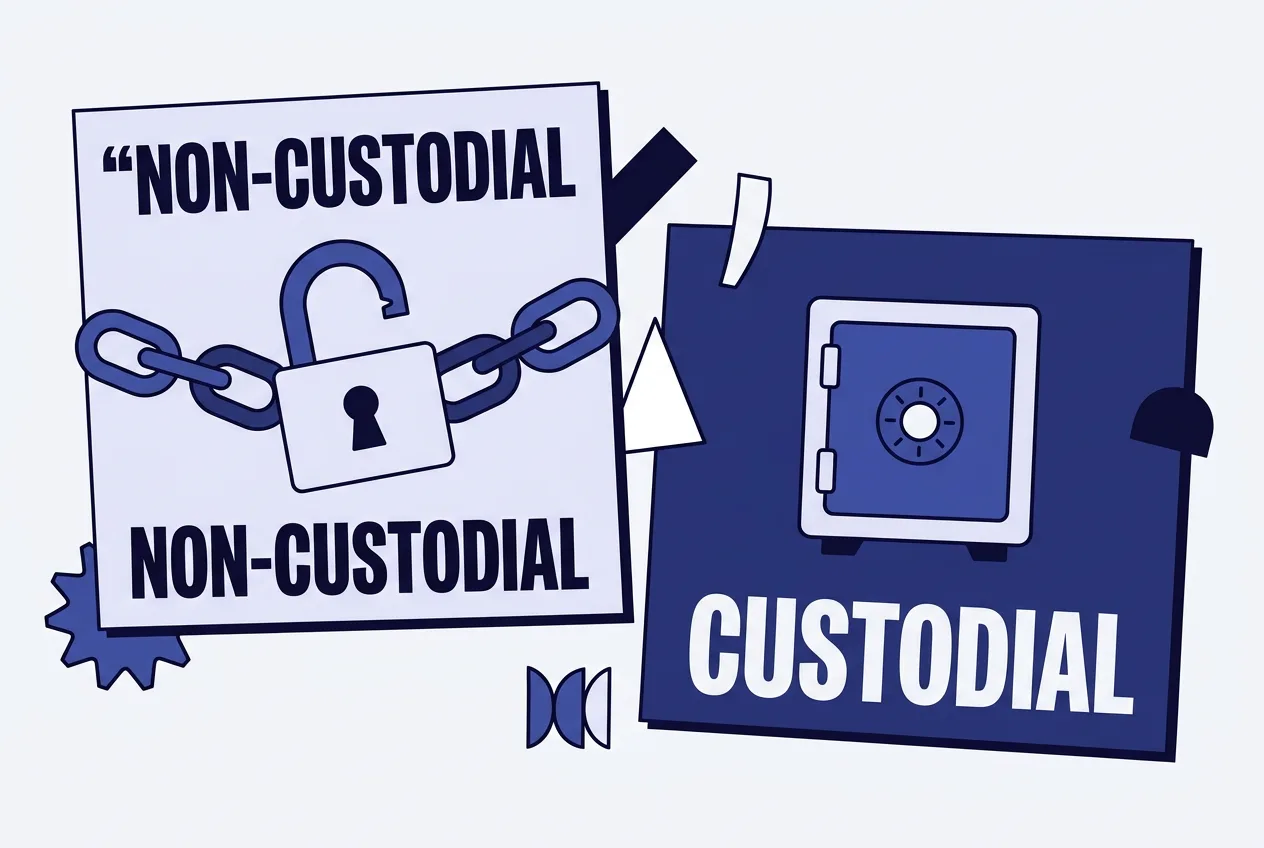
| Feature | Peer P2P Alipay beta | Binance P2P | OKX P2P |
|---|---|---|---|
| Escrow type | On-chain smart contract | Platform custodial | Platform custodial |
| KYC required | None | Yes | Yes |
| Taker fee | Up to 0.95% | Often 0% | Often 0% |
| Typical limits | 5–500 USDC | Higher, varies by user | Higher, varies by user |
| Verification method | Private off-chain attestation | Platform confirmation | Platform confirmation |
Peer lists more than ten payment methods but its Alipay channel is still in beta. Liquidity stays thin compared with established exchanges. Users who need larger volumes or regulatory compliance features continue to rely on Binance P2P, OKX P2P, Bybit or non-custodial options such as Hodl Hodl and Bisq.
China’s February 2026 rules bar payment firms from facilitating crypto transfers. Alipay’s denial matches that stance. No account suspensions tied to Peer trades have been reported so far, yet the regulatory environment adds risk for participants in the region.
Frequently asked questions
What fees does Peer P2P charge on the Alipay channel?
Buyers pay up to 0.95 percent as a taker fee. Sellers set their own spread on top of the quoted price. Cross-chain bridges can add roughly 0.5 percent more.
Do I need KYC to use Peer P2P Alipay beta?
No extra identity checks are required beyond connecting a wallet. Payment verification stays private and limited to amount, recipient and timestamp.
How large are typical trades on the new channel?
Listings usually run between 5 and 500 USDC. Average completed orders have totaled about 66 dollars each during the beta period.
What happens if Alipay blocks payments linked to Peer?
Alipay has already stated it does not authorize crypto trades. Users face potential account monitoring or suspension even though no official partnership exists.
Which platforms offer larger USDC volumes than Peer right now?
Binance P2P, OKX P2P and Bybit currently provide deeper liquidity and higher limits with platform escrow and standard KYC processes.
Comments 11