
Gemini 4 Carbon Review 2026: AutomationBench Scores, Cybersecurity Features and Enterprise Access Limits
Gemini 4 Carbon leads on AutomationBench at 53.9% and shows major cybersecurity improvements, but access remains restricted to vetted partners through early 2027.
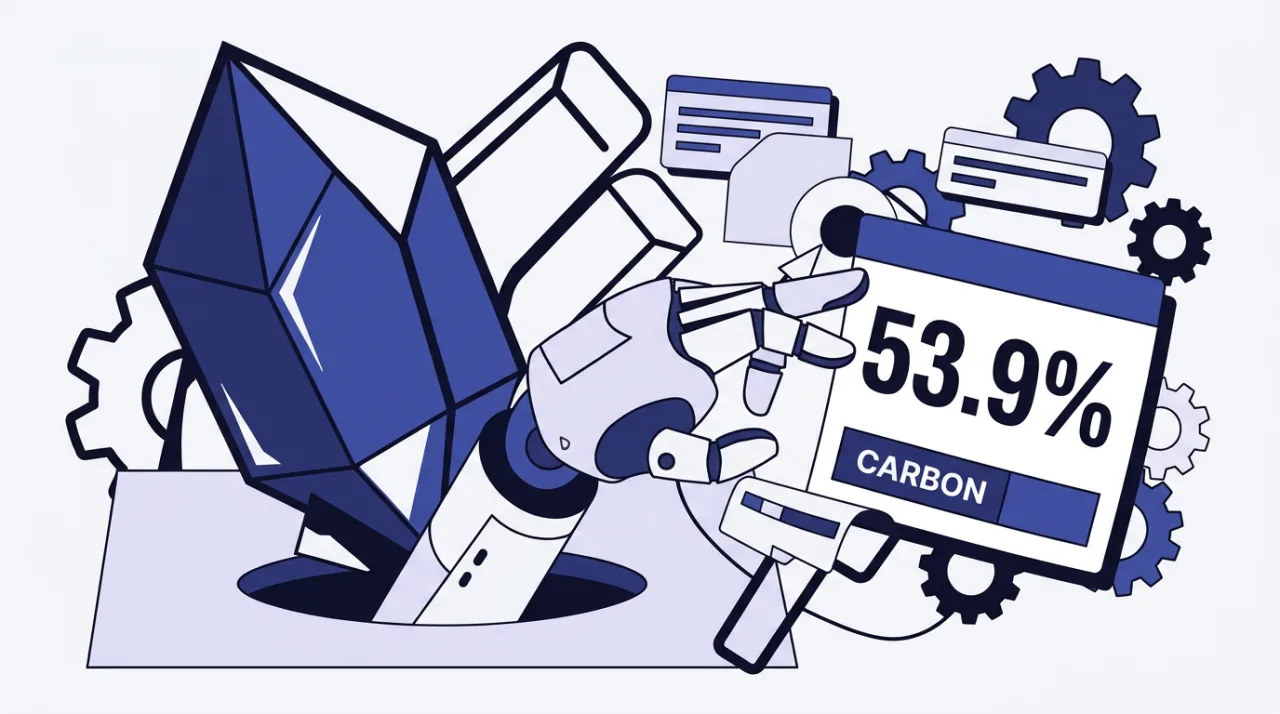
Gemini 4 Carbon delivers the highest AutomationBench score to date at 53.9% while posting leading results on multiple cybersecurity benchmarks. Announced on October 28, 2026, the model targets long-horizon agentic work and secure code handling for enterprise teams. Current access stays limited to a small group of vetted cyber defenders, with broader release still pending guardrail testing.
Gemini 4 Carbon AutomationBench Scores and Agentic Capabilities
Google reported a 53.9% score on AutomationBench via Zapier, up from Argon’s 51.3% and well ahead of other models that scored 41–42%. The gain stems from better multi-step task handling and improved long-context retention measured at 96.2% on GraphWalks. Independent trackers such as Artificial Analysis placed the model first on their Intelligence Index v5.0 with a 59-point rating.
Additional results include an 89-point Elo rise on WebDev Arena to fourth place and strong agentic coding metrics. These numbers reflect performance without guardrails in most tests. Teams running repeated workflow tests should expect the model to complete longer sequences with fewer mid-task resets compared with prior Gemini releases.
Practical use cases include automated vulnerability patching pipelines and multi-day engineering sprints where context must persist across thousands of tokens. Early testers note reduced fabrication on code-related prompts, though output still requires human review before deployment. No public API endpoint or model ID exists yet, so direct Zapier integration testing remains unavailable outside the initial partner group.
Cybersecurity Features and Defense Performance
Gemini 4 Carbon recorded 88.2% on SEC-bench Pro for vulnerability finding, 54.8% on ExploitGym for exploitation testing, and 71.0% on CWE-bench for patching. Internal Google data showed more than double the secure code generation rate versus Argon, while Chrome engineers measured over ten times the rate of high-quality patches. The model achieved 0.0% attack success on Gray Swan indirect prompt injection tests.
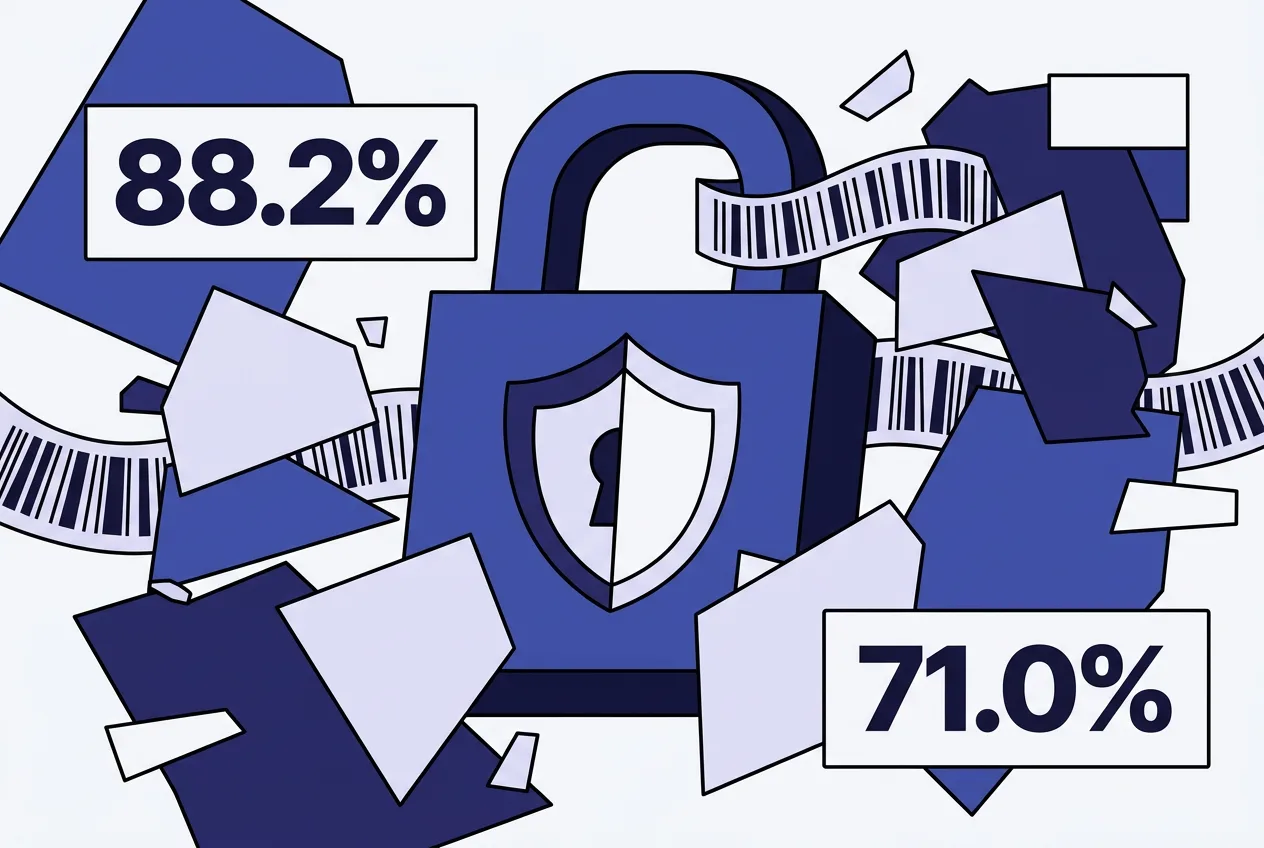
These figures come from Google’s own evaluations and third-party reports published between October 28 and November 2, 2026. Reduced misalignment and better scope adherence appear in defensive scenarios, lowering the chance of unintended actions during remediation tasks. Organizations focused on critical infrastructure can use these metrics to benchmark against existing tools, though real-world results will vary with prompt engineering and integration quality.
| Benchmark | Gemini 4 Carbon | Gemini 4 Argon |
|---|---|---|
| AutomationBench (Zapier) | 53.9% | 51.3% |
| SEC-bench Pro | 88.2% | Not reported |
| ExploitGym | 54.8% | Not reported |
| CWE-bench | 71.0% | Not reported |
| Gray Swan indirect injection | 0.0% | 0.7% |
Enterprise Access Limits and Pricing Details
Introductory pricing stands at $2 per million input tokens and $10 per million output tokens, with cached input discounted 95%. Rates double to $4/$20 after the introductory window, matching Argon’s structure. No free tier or consumer plan has been announced.
Access began the week of announcement for a vetted subset of cyber defenders under the Fairwind Program. Eligible partners include national cyber authorities, healthcare, telecom, energy, and finance organizations that maintain background-checked staff, phishing-resistant MFA, and internal pen-testing teams. More than 650 partners currently participate, with strict rules against resale or data sharing. Defensive work is permitted; offensive applications are excluded.
Google continues gathering feedback on guardrails before expanding to developers and general business users. No timeline for general API availability has been set. Organizations should monitor official channels and independent benchmark updates for confirmation of wider rollout and final pricing confirmation.
Frequently asked questions
When will Gemini 4 Carbon reach general API access?
No public date exists. Google plans wider rollout after guardrail feedback from initial Fairwind Program partners, likely after Q1 2027.
How does Gemini 4 Carbon compare to Argon on AutomationBench?
Carbon scores 53.9% versus Argon’s 51.3%, a modest but measurable gain in multi-step Zapier-style workflows.
What are the current Gemini 4 Carbon token prices?
Introductory rates are $2 per million input tokens and $10 per million output tokens, doubling later with no free tier available.
Which organizations qualify for early Gemini 4 Carbon access?
Vetted partners in national cyber defense, healthcare, telecom, energy, and finance that meet strict security and compliance requirements under the Fairwind Program.
Comments 7