
Peer P2P Alipay USDC Trading Beta Review 2026: Base Escrow Fees Limits
Peer launched its Alipay CNY beta for USDC on Base in late October 2026. The review covers escrow process, fees, current volume and real risks after Alipay denial.
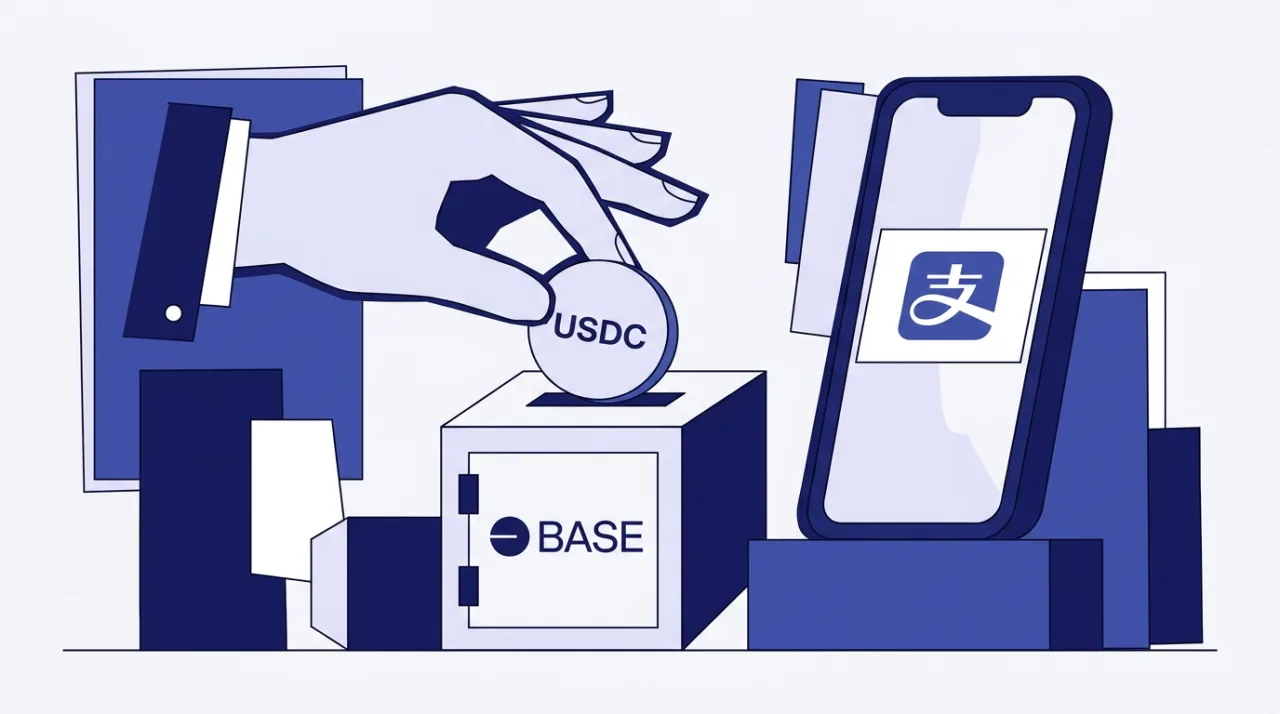
Peer P2P Alipay launched as a beta on October 27, 2026, allowing non-custodial USDC trades settled via direct CNY payments on personal Alipay accounts. The protocol runs on Base with sellers locking tokens in smart-contract escrow and buyers sending fiat off-chain. Early data shows modest activity with average orders near 66 USDC.
Peer P2P Alipay escrow mechanics and verification
Sellers place USDC into on-chain escrow contracts on Base. Buyers then transfer CNY directly from their own Alipay accounts. Verification occurs through the PeerAuth browser extension or mobile app, which checks recipient details, amount and timestamp using trusted execution environments. No manual seller release or Alipay API calls are involved, and funds move automatically once attestation succeeds.
The system remains fully non-custodial: Peer and P2P Labs never touch either the fiat or the USDC. The beta supports only Base-native USDC for the lowest fees; cross-chain assets incur an extra 0.5 percent bridge cost. Listings appear in the interface under CNY/Alipay/USDC pairs, one of roughly twelve supported payment rails on the protocol.
Volume figures reported by the team show 107 to 112 completed orders from 45 buyers between late August and late October, totaling roughly 7,100 to 7,240 USDC. Daily activity has stayed near 100 USDC. One order reached 800 USDC, but most remain small. Users are instructed to begin with minimal amounts while the beta continues.
Fees, order limits and platform risks
Buyers pay a service fee up to 0.95 percent plus any spread set by the seller. Sellers themselves face no platform fee. New web listings restrict orders to 5–500 USDC each, with one order allowed per listing. Older listings may show different caps.
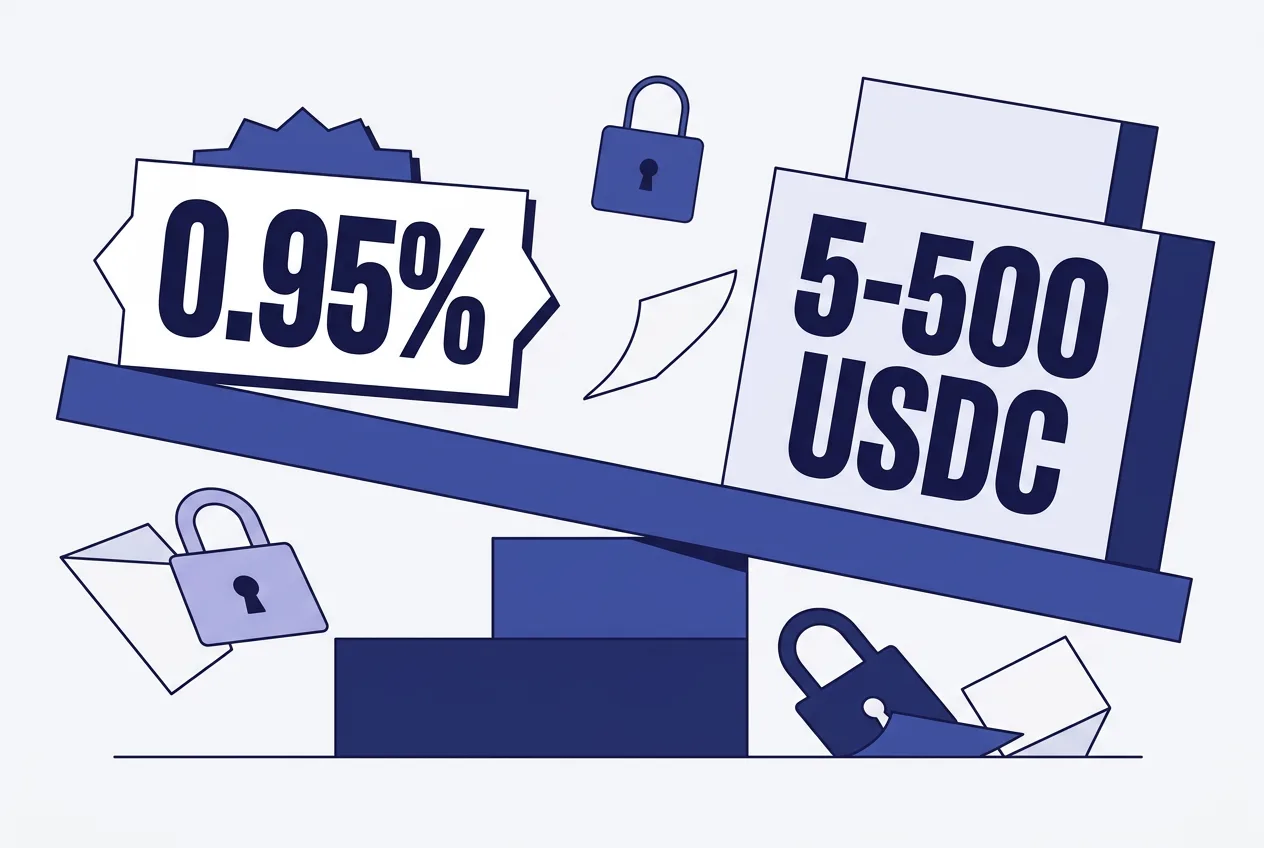
Alipay issued a statement on October 28 stating it does not support cryptocurrency trading and that third-party claims are unauthorized. China’s February 2026 rules already ban fiat-crypto exchanges and related payment services. This creates account suspension risk for buyers using personal Alipay wallets. Peer has no official partnership with Alipay and directs Chinese-language support to its @Peer_zh channel.
Traders should review order details carefully and monitor for changes, as beta status leaves limits and verification rules open to adjustment. No independent audit of volume or escrow security has been published.
P2P alternatives for CNY USDC trades
Centralized platforms currently provide deeper CNY liquidity and established dispute processes. The table below compares three active options against Peer’s non-custodial model.
| Platform | CNY/Alipay Support | Taker Fee | Escrow Type | Typical Daily Volume |
|---|---|---|---|---|
| Peer (beta) | Yes, direct personal Alipay | Up to 0.95% | Non-custodial Base escrow | ~100 USDC |
| Binance P2P | Yes, multiple Alipay options | 0% in many CNY markets | Platform custodial | High |
| OKX P2P | Yes, active CNY/Alipay | 0% reported | Platform custodial | High |
| Bybit P2P | Yes, broad methods | Variable | Platform custodial | High |
Non-custodial alternatives such as Bisq and Hodl Hodl exist but offer limited CNY pairs and slower matching. Users seeking higher volume or formal buyer protection often route through Binance or OKX P2P instead. Those prioritizing on-chain settlement may continue testing Peer at small sizes while watching regulatory signals.
Frequently asked questions
How does Peer verify Alipay payments without API access?
The PeerAuth extension or app uses trusted execution environments to match recipient, amount and timestamp from the buyer’s device data. Once attestation succeeds, the smart contract releases USDC automatically.
What happens if an Alipay payment is disputed after escrow release?
Peer provides no reversal mechanism because the protocol never holds the fiat. Buyers and sellers must resolve disputes outside the platform, increasing risk compared with custodial P2P services.
Are there daily or monthly volume caps on the Alipay beta?
No platform-wide caps are published. Individual listings currently allow 5–500 USDC per order, with one order per listing. Cross-chain assets may carry higher effective fees.
Does Peer charge sellers any fees for CNY listings?
Sellers pay no platform fee. Their only cost is the spread they choose to quote. Buyers cover the up-to-0.95 percent service fee.
Comments 9