
Google Universal Cart 2026 Review: Features, Pricing and Agent Payments Limits
Google Universal Cart launched in the US on October 15, 2026, enabling single-cart shopping across retailers via Search and Gemini. Merchants face no platform fees but encounter one-way cart transfers and US-only availability.

Google Universal Cart 2026 lets US shoppers add items from multiple retailers to one cart inside Search, AI Mode and the Gemini app. The system uses the Shopping Graph of more than 60 billion listings and hands checkout to merchants via Google Pay or a one-way transfer. Merchants remain the seller of record and handle all customer service.
Core Features of Google Universal Cart and UCP
Universal Cart displays price-drop alerts, restock notifications and suggested promo codes pulled from participating stores. Google Wallet recommends cards that maximize perks before checkout. The underlying Universal Commerce Protocol (UCP), released under Apache 2.0 in January 2026, defines endpoints for catalog lookup, cart creation and identity linking. Merchants expose a /.well-known/ucp file and receive a CreateCart payload that contains no further synchronization in the first version.
Agent Payments Protocol (AP2) supplies signed mandates that record budget limits, amount ranges and recurrence rules. Version 0.2, published in April 2026, now sits under FIDO Alliance stewardship. AP2 works alongside UCP to produce non-repudiable audit trails for disputes while remaining rail-agnostic, though only card payments are live today. Early integrations appear in Shopify stores where the protocol is enabled by default for eligible US merchants.
Surfaces currently supported are Google Search and the Gemini app. YouTube and Gmail integration remain scheduled for later phases. Age-restricted categories are excluded. Native checkout stays separate from the one-way cart handoff, giving merchants full control over final payment processing and order fulfillment.
Pricing, Limits and Adoption Status
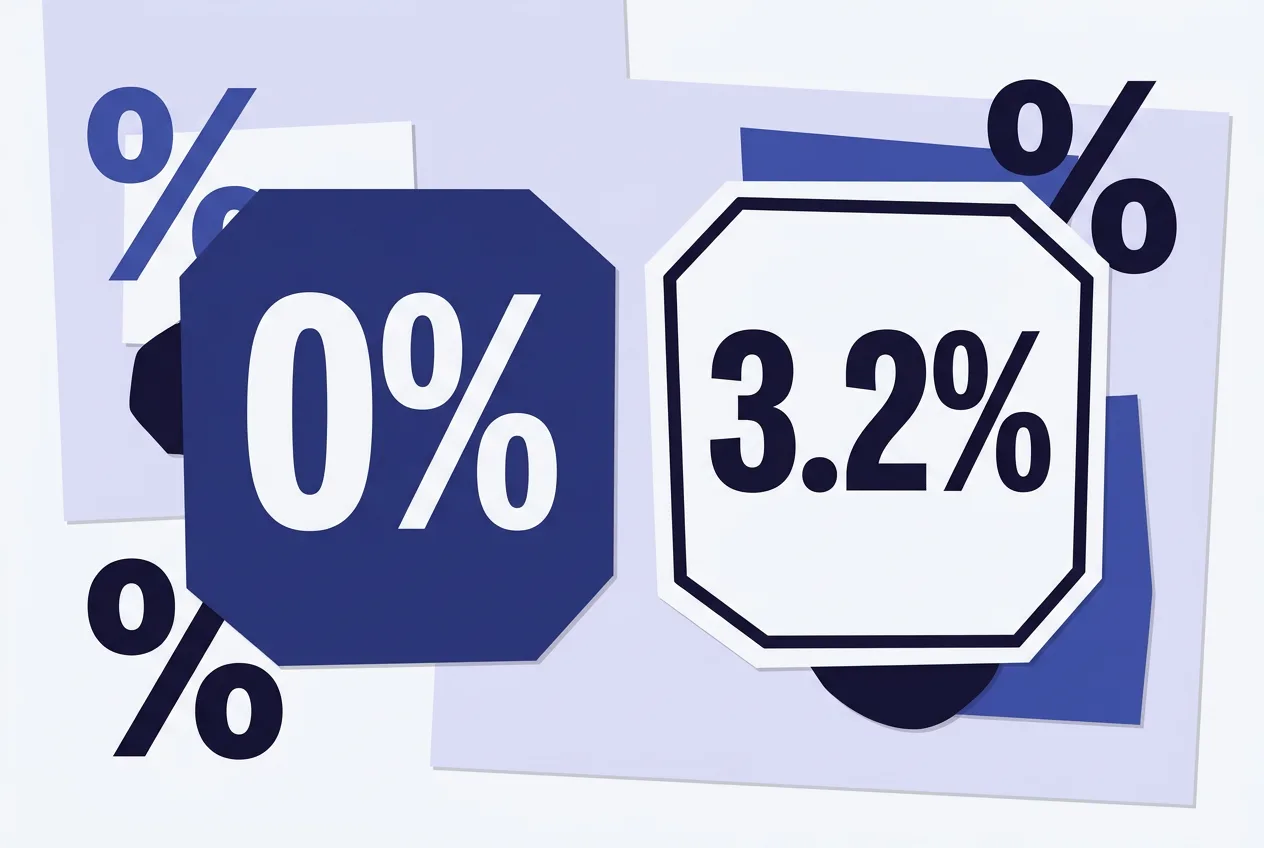
No Google platform or transaction fee has been disclosed for Universal Cart or UCP flows. Merchants continue to pay only their existing processor rates, typically around 3.2 percent through providers such as Stripe. Customer data and post-purchase relationships stay with the merchant; Google does not insert itself as an intermediary.
Current constraints include one-way cart transfer, US-only consumer access, and early-access merchant onboarding that requires an interest form or Shopify eligibility. Roughly 8,000 stores had adopted UCP by mid-2026, yet public detections of the /.well-known/ucp endpoint remained low. Canada and Australia merchant hubs are slated for early 2027, with no EU timeline announced.
| Aspect | Current Status (Nov 2026) | Planned Changes |
|---|---|---|
| Geography | US only | Canada/Australia early 2027 |
| Cart actions | Create only (one-way) | Sync, update, delete roadmap |
| Merchant fee | None disclosed | Standard processor fees apply |
| Surfaces | Search, Gemini | YouTube, Gmail later |
Businesses evaluating the protocol should test the Shopify auto-on option first, then measure incremental traffic against direct site visits. Stores outside the initial 8,000 adopters can request access through Google Merchant Center once self-serve expands. Integration does not alter existing ranking signals inside Google Shopping ads.
Practical Steps for Merchants Considering UCP
Verify eligibility in Merchant Center and confirm that product feeds include accurate pricing and inventory data. Publish the required /.well-known/ucp profile and test the CreateCart endpoint against the current specification. Monitor order volumes through the one-way handoff to assess whether native checkout or Google Pay produces higher conversion.
Compare the setup with direct Shopify or WooCommerce checkouts already in use. Track any change in return rates or support tickets after enabling the protocol. Because AP2 mandates add cryptographic signing, teams should allocate development time for signature validation before live traffic arrives.
Frequently asked questions
Is Google Universal Cart available outside the United States?
No. The consumer-facing cart launched only in the US on October 15, 2026. Merchant Center support for Canada and Australia is planned for early 2027, while EU timelines remain unannounced.
Does Google charge merchants a fee for Universal Cart transactions?
No platform or transaction cut has been disclosed. Merchants pay only their standard payment processor fees, such as those charged by Stripe or similar providers.
What happens after a shopper completes a cart in Google surfaces?
The cart transfers once to the merchant site or processes through Google Pay where supported. Merchants retain full control of order confirmation, shipping and customer support.
How many stores have adopted UCP so far?
Roughly 8,000 stores, mostly on Shopify, had joined by mid-2026. Public endpoint detections stayed low at around 26 sites in one May scan.
Comments 6