
Peer Protocol Review 2026: Non-Custodial P2P Crypto Onramp Features and Limits
Peer protocol offers a non-custodial P2P fiat-to-crypto onramp on Base with verified payments and AI agent tools. Review details fees, limits and supported apps.
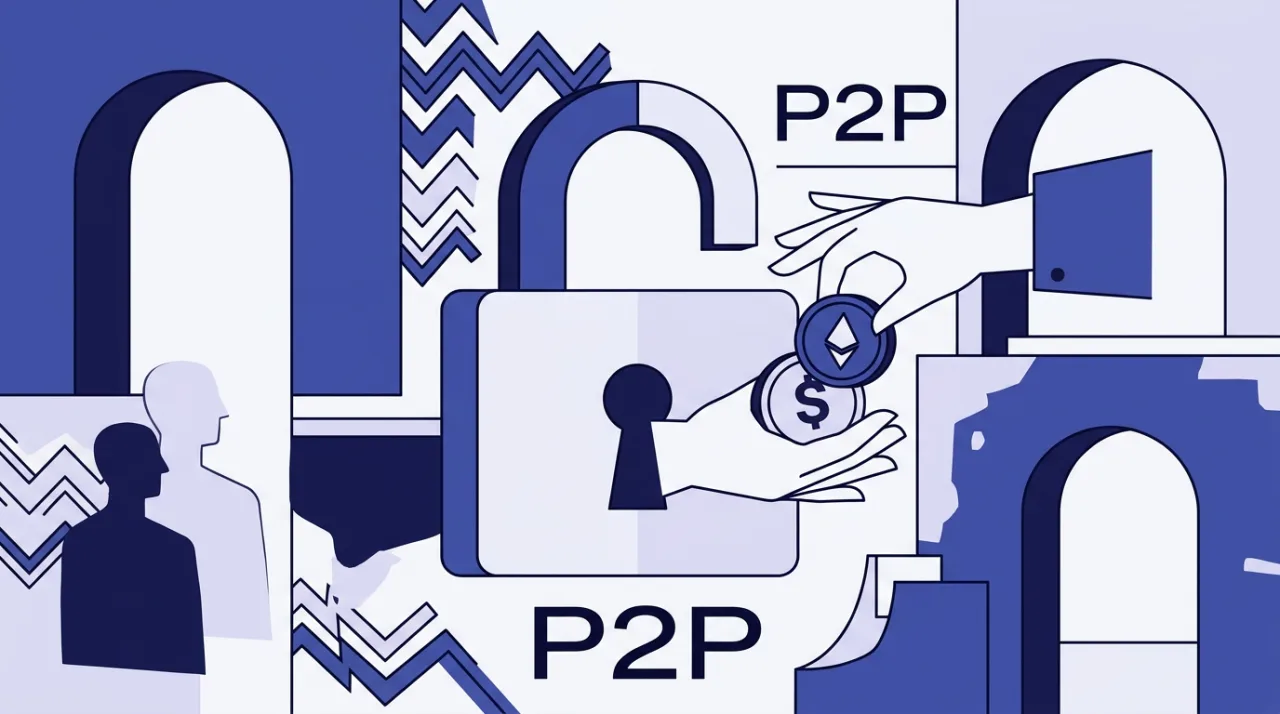
Peer protocol, rebranded from ZKP2P in February 2026, operates as a permissionless non-custodial marketplace for direct fiat-to-crypto trades primarily on Base. Sellers escrow USDC in smart contracts while buyers pay via everyday apps, with verification handled off-chain before release. The setup eliminates any custodian holding funds and requires only wallet connection plus app-level checks.
Non-Custodial Features and Payment Verification
Funds stay in on-chain escrow on Base contracts until private verification confirms the fiat transfer. The V3 system uses a modular Attestation Service running in AWS Nitro Enclaves and EIP-712 attestations that share only amount, recipient and timestamp. Audits from Sherlock cover both V2 and V3, though the trust model still rests on the enclave and verifier components remaining uncompromised.
Seller Autopilot allows encrypted credentials for automated verification on the sell side, while buyers can use TEE verification. The protocol supports deferred settlement up to T+14 and on-chain disputes when sellers configure these options. No additional KYC beyond wallet and payment-app checks is imposed by Peer itself.
Primary settlement occurs on Base with bridging available to Solana, Hyperliquid, Ethereum and over 20 other chains. Main asset is USDC, with ETH, SOL, USDT and BTC reachable via swaps. Recent on-chain data shows 3.7k transactions and 152 active addresses over seven days, with TVL fluctuating between $95k and $98k.
Fees, Limits and Supported Payment Methods
Buyers pay up to 0.95% as a taker service fee collected by the frontend at peer.xyz. Sellers set their own spreads, and an optional bridge fee of 0.5% applies for cross-chain moves. Protocol-level fees remain at zero because the code is open-source; recent 30-day protocol revenue reached $34.5k on Base.
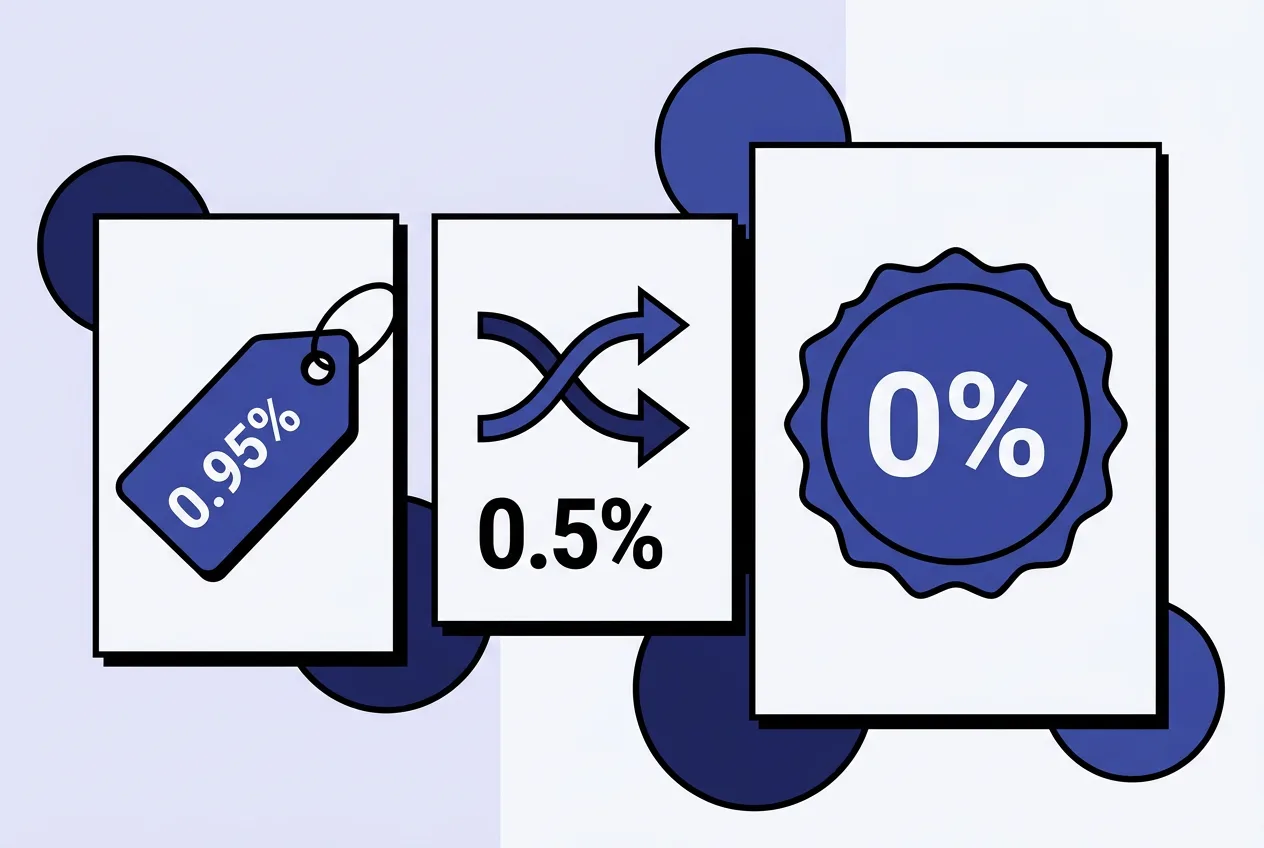
Order sizes depend entirely on seller-configured deposits and available liquidity, with no fixed taker caps published. Sellers can impose whitelists, extra KYC, price floors or deferred settlement as needed. Liquidity and validation determine typical order sizes in practice.
| Payment Method | Currencies | Status |
|---|---|---|
| Venmo | USD | Live |
| Cash App | USD | Live |
| Zelle | USD | Live |
| PayPal | Multi | Live |
| Revolut | 24 | Live |
| Wise | 31 | Live |
| Alipay | CNY | Beta |
| UPI | INR | Live |
Eleven to twelve methods are supported as of late October 2026, covering roughly 30 currencies. Developers can add new verifiers through the open UnifiedPaymentVerifier module. Volume processed in prior periods reached monthly figures above $1M in P2P activity.
AI Agent Integration and Practical Use Cases
Peer Cash SDK and peer-cli/MCP server tools enable programmatic crypto-to-fiat flows for agents. Open-source repositories include agent-oriented integrations that let scripts handle checkout and verification steps without manual intervention. These capabilities suit automated merchant payouts or recurring agent-driven settlements on Base.
Typical implementations connect the SDK to existing agent frameworks such as Mastra for end-to-end on/off-ramp automation. Limits remain seller-defined, so agents must monitor available deposits and configured rules. Counterparty risk and potential TEE issues stay relevant even in automated setups.
Compared with custodial onramps, Peer removes the middleman holding fiat or crypto, yet it trades that for reliance on verifiable attestation and seller liquidity. Teams evaluating the protocol should test verification reliability on target payment apps before scaling agent usage.
Frequently asked questions
How does Peer protocol keep trades non-custodial?
Sellers lock USDC in Base smart contracts; fiat moves directly between buyer and seller apps. Verification occurs off-chain via TEE attestations before the contract releases funds automatically.
What fees apply when using Peer for P2P trades?
Buyers pay up to 0.95% taker fee at the peer.xyz frontend. Sellers keep any spread they set, and a 0.5% optional bridge fee covers cross-chain moves.
Which payment apps does Peer support in 2026?
Eleven to twelve methods including Venmo, Cash App, Zelle, PayPal, Revolut, Wise, Alipay beta and UPI. Coverage spans roughly 30 currencies with new verifiers added by developers.
Can AI agents use Peer for automated payments?
Yes. The Peer Cash SDK and MCP server tools allow agents to trigger escrows, monitor verification and complete settlements programmatically.
Comments 9