
Elorian Glimpse Model Review: Visual Reasoning Features and API Limits
Elorian Glimpse processes images and video through iterative visual refinement rather than one-time text conversion, with input pricing at $0.60 per million tokens.

The Elorian Glimpse model performs visual reasoning by maintaining and updating internal image representations during inference instead of converting visuals to text in a single step. Released on October 16 2026 as a research preview, it accepts text, image and video inputs while producing text output. The approach targets use cases in scientific chart analysis, video captioning and object tracking where repeated visual inspection improves accuracy.
Technical Approach and Core Capabilities
Elorian built the model through post-training on an unnamed open-weights base using a few hundred GPUs. The context window reaches 262000 tokens with support for up to 256000 output tokens. Tool calling and structured outputs are available, allowing the model to run code for measurements or coordinate subagents during a single response.
Key functions include cropping and zooming specific image regions, replaying video segments at higher frame density, and tracking objects across changes in motion or viewpoint. The system can predict physical outcomes and maintain a visual scratch space that refines representations mid-reasoning. These steps occur without generating intermediate text descriptions for every visual adjustment.
Developers report higher token consumption on tasks that require multiple visual passes. The company states efficiency improvements remain an active focus. Direct robot control or action generation is listed as future work rather than a current feature.
- Crop and zoom image regions mid-process
- Re-watch video segments at denser frame rates
- Track objects across viewpoint changes
- Run code tools for measurement tasks
- Coordinate multiple subagents on one query
API Pricing and Access Tiers
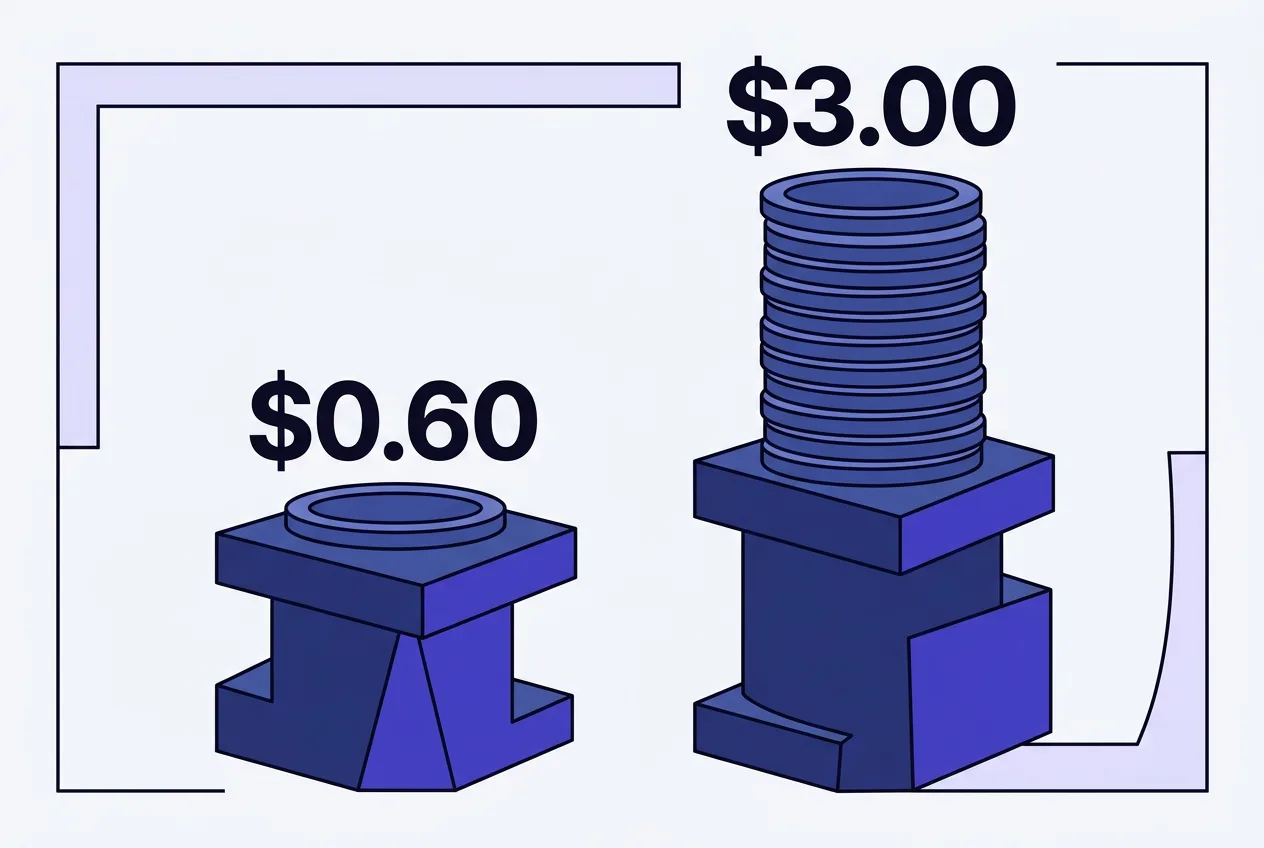
Standard pricing stands at $0.60 per million input tokens and $3.00 per million output tokens through Elorian, Together AI and OpenRouter endpoints. Cached input tokens cost approximately $0.06 per million. A free chat tier exists with weekly rate limits that reset automatically.
Elorian states these rates sit roughly 94 percent below those of GPT-6 Astra equivalents. No public weights are released, so access occurs exclusively through the listed API providers. Research-preview status means rate limits, context handling and pricing may change before a stable release.
Token budgets increase when the model performs iterative visual inspection on complex charts or long video clips. Teams testing the model on counting or spatial tasks should allocate extra input tokens compared with single-pass multimodal models.
Benchmarks and Documented Limitations
All published scores come from Elorian-run evaluations at maximum thinking effort. No independent verification exists at this stage. The model records 92.90 on CharXiv-R scientific chart reasoning versus 92.10 for GPT-6 Astra and 82.66 on UGC-VideoCap versus 80.32. It also leads on WGO Bench robot manipulation events at 42.70 and FSC-147 open-vocabulary counting at 83.36.
Trailing results appear on HSS at 46.36 against 53.6, Video-MME v2 at 56.68 against 64.06, and several other inference-heavy benchmarks. One benchmark, HSS, was co-developed by Elorian shortly before launch. Different effort settings for comparator models on video tasks further complicate direct comparison.
| Benchmark | Elorian Glimpse | GPT-6 Astra |
|---|---|---|
| CharXiv-R | 92.90 | 92.10 |
| UGC-VideoCap | 82.66 | 80.32 |
| WGO Bench | 42.70 | 39.42 |
| FSC-147 | 83.36 | 82.02 |
| HSS | 46.36 | 53.60 |
| Video-MME v2 | 56.68 | 64.06 |
Practical gaps remain in broader video understanding and abstract inference. Users should test the model on their specific chart or counting workloads before committing production traffic. Independent evaluations expected in coming months will provide clearer data on consistent performance across providers.
Frequently asked questions
How much does the Elorian Glimpse API cost per million tokens?
Input tokens cost $0.60 per million and output tokens cost $3.00 per million at standard rates. Cached input drops to roughly $0.06 per million. A free tier with weekly limits is also offered.
What benchmarks does the Elorian Glimpse model lead on?
It records the highest scores among reported models on CharXiv-R at 92.90, UGC-VideoCap at 82.66, WGO Bench at 42.70 and FSC-147 at 83.36. All figures are self-reported by Elorian.
Does the model support video input directly?
Yes. It accepts video alongside images and text, then can re-examine segments at higher frame rates during reasoning. No separate video-to-text conversion step is required.
Are independent evaluations available for the Elorian Glimpse model?
No public independent benchmarks exist yet. All current numbers come from vendor-run tests at maximum effort settings. Wider third-party testing is expected in the next several months.
Comments 10