
ChatGPT Images 2.6 Review 2026: GIF Animation, Flare and Sunburst API Pricing, SVG Export Limits
OpenAI released ChatGPT Images 2.6 on November 4, 2026. It adds GIF animation and SVG export with specific API constraints and unchanged token pricing.
ChatGPT Images 2.6 review shows the November 4, 2026 update introduced GIF animation, SVG export, markup edits, and a complexity parameter while keeping the same API pricing as version 2.5. Users now generate roughly 4 billion images per week across ChatGPT, Codex, and the API. The release targets practical workflows with measurable speed gains and new output formats that carry clear restrictions.
ChatGPT Images 2.6 Review: GIF Animation and SVG Export Limits
ChatGPT Images 2.6 supports looping animated GIFs from text prompts, sketches, or reference images. In the API, developers set frame_count between 2 and 16, frame_duration_ms from 20 to 2000, and per-frame dimensions in multiples of 16. GIFs remain generations-only; the edits endpoint does not accept or produce them, and each generation stays within the per-sheet pixel budget.
SVG export works only through the generations endpoint with output_format set to svg. The model returns static vector paths without scripts, external resources, or embedded rasters. Limits include n=1, no streaming support, and no acceptance of SVG files on the edits endpoint. Most vector workflows require a two-step process: first generate a reference image, then request vector output.
Additional API controls include an image markup layer for targeted edits and a new complexity parameter with low, medium, or high settings. The parameter adjusts planning effort independently of the quality setting. These features appear in both ChatGPT and the API, though ChatGPT users access adjustable speed and frame editing through the interface.
Flare and Sunburst Models: Speed, Quality, and Pricing Details
The API offers two models with identical pricing to the prior version: $5 per million text input tokens, $8 per million image input tokens, and $30 per million image output tokens. No batch discount applies to version 2.6. GPT-Image-2.6 Flare prioritizes speed and can complete low-quality 1024×1024 images in roughly six seconds. GPT-Image-2.6 Sunburst delivers higher detail and edit consistency at medium or high quality settings.
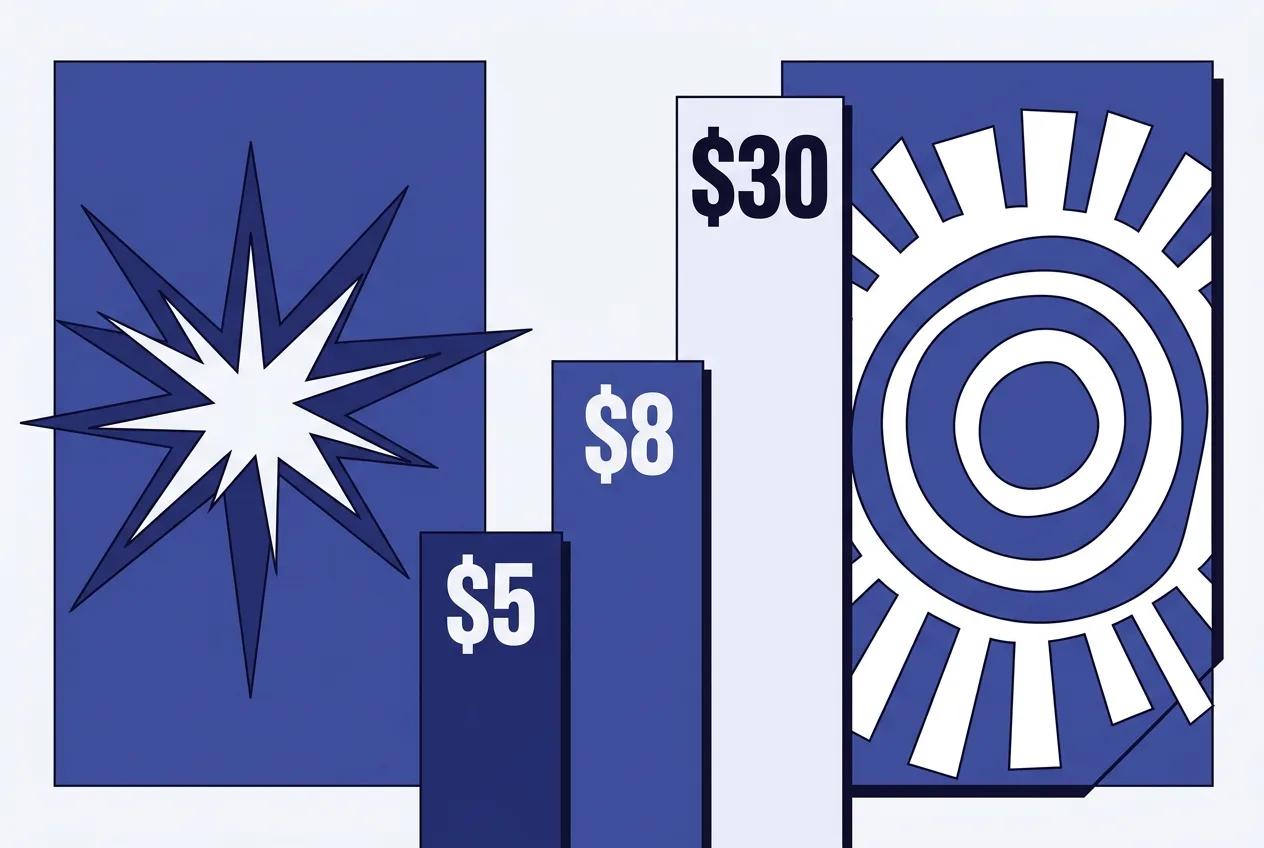
Effective per-image cost varies with quality and resolution because lower settings consume more output tokens. Tests show roughly 4.2 times higher token usage at low quality compared with high quality for the same resolution. High and maximum settings remain close to previous token counts. ChatGPT access follows subscription tier limits, while API usage requires separate billing.
Independent benchmarks indicate speed improvements fall short of the claimed 50 percent in some cases, yet Flare consistently outperforms Sunburst on generation time. Text rendering and consistency improved in several user tests. Both models support the new GIF and SVG features, but developers must account for the listed endpoint restrictions when planning production pipelines.
Usage Scale, Availability, and Practical Constraints
Global rollout reached all ChatGPT and Codex subscription tiers on web, desktop, and mobile. API access uses the two models described above. Weekly image creation rose from 3 billion in September 2026 to 4 billion after the release, reflecting broader adoption of the new animation and vector tools.
Teams evaluating the update should note several hard limits. GIFs cap at 16 frames through the API. SVG output excludes edits and streaming. The complexity parameter adds an extra control layer that can increase planning time at the high setting. No major safety incidents or rollout problems have appeared in early reports.
Business users gain new options for short animations and editable vector assets, yet they must design around the generations-only restriction for both formats and the higher token costs at lower quality levels. These constraints define realistic deployment scenarios more clearly than the marketing claims alone.
Frequently asked questions
Does ChatGPT Images 2.6 support editing existing SVG files?
No. The edits endpoint does not accept SVG input or produce SVG output. Vector generation requires a two-step reference image process through the generations endpoint only.
What is the maximum frame count for GIFs in the API?
The enforced limit is 16 frames. Parameters also restrict frame_duration_ms to 20–2000 and require dimensions in multiples of 16.
How does pricing for GPT-Image-2.6 compare with version 2.5?
Pricing stays identical at $30 per million image output tokens. No batch discount applies to the new version, and lower quality settings increase effective token cost per image.
Which model is faster for simple generations?
GPT-Image-2.6 Flare targets speed and often completes low-quality requests in around six seconds, while Sunburst prioritizes detail at medium or high settings.
Comments 3