
ServiceNow Autonomous CRM Engine Review 2026: AI-Native Deployment Limits, Pricing and Legacy Migration
ServiceNow Autonomous CRM Engine automates discovery, redesign and deployment for legacy CRM migrations. Early limits include controlled availability and metered AI assists.
ServiceNow Autonomous CRM Engine targets the high cost of moving from legacy CRM systems by automating four stages of work that previously required months of manual effort. Announced on 12 November 2026 and placed in controlled availability, the tool maps existing configurations, recommends ServiceNow-native processes, deploys changes and monitors drift after launch. Early customers report consolidation of sales, service and delivery onto one platform, yet the absence of public pricing and the metered AI assists create uncertainty for budgeting.
ServiceNow Autonomous CRM Engine Capabilities and Limits
The engine follows a strict four-stage sequence. Discover pulls metadata through APIs to graph business objects, workflows, custom scripts and integrations. Design proposes transformed processes aligned with ServiceNow industry templates rather than replicating legacy logic. Build pushes approved configurations directly into ServiceNow CRM. Monitor flags configuration drift and misconfigurations to reduce post-launch support tickets.
These stages replace the reverse-engineering work that typically stretches legacy migrations across years. ServiceNow states the full cycle can finish in weeks for suitable estates, but the tool remains in controlled availability with expanded functions scheduled only for 2027. It currently focuses on Salesforce migrations and does not yet address every custom integration pattern found in telecom service activation or banking onboarding systems.
- Discovery relies on available metadata APIs; custom code outside standard objects may require manual review.
- Design outputs are limited to ServiceNow best-practice templates, so highly regulated processes may need extra configuration.
- Build deploys only after explicit approval, preventing fully autonomous rollouts in the current release.
- Monitor runs continuously yet depends on the broader platform tiers introduced in April 2026.
ServiceNow CRM AI Deployment Pricing and Availability
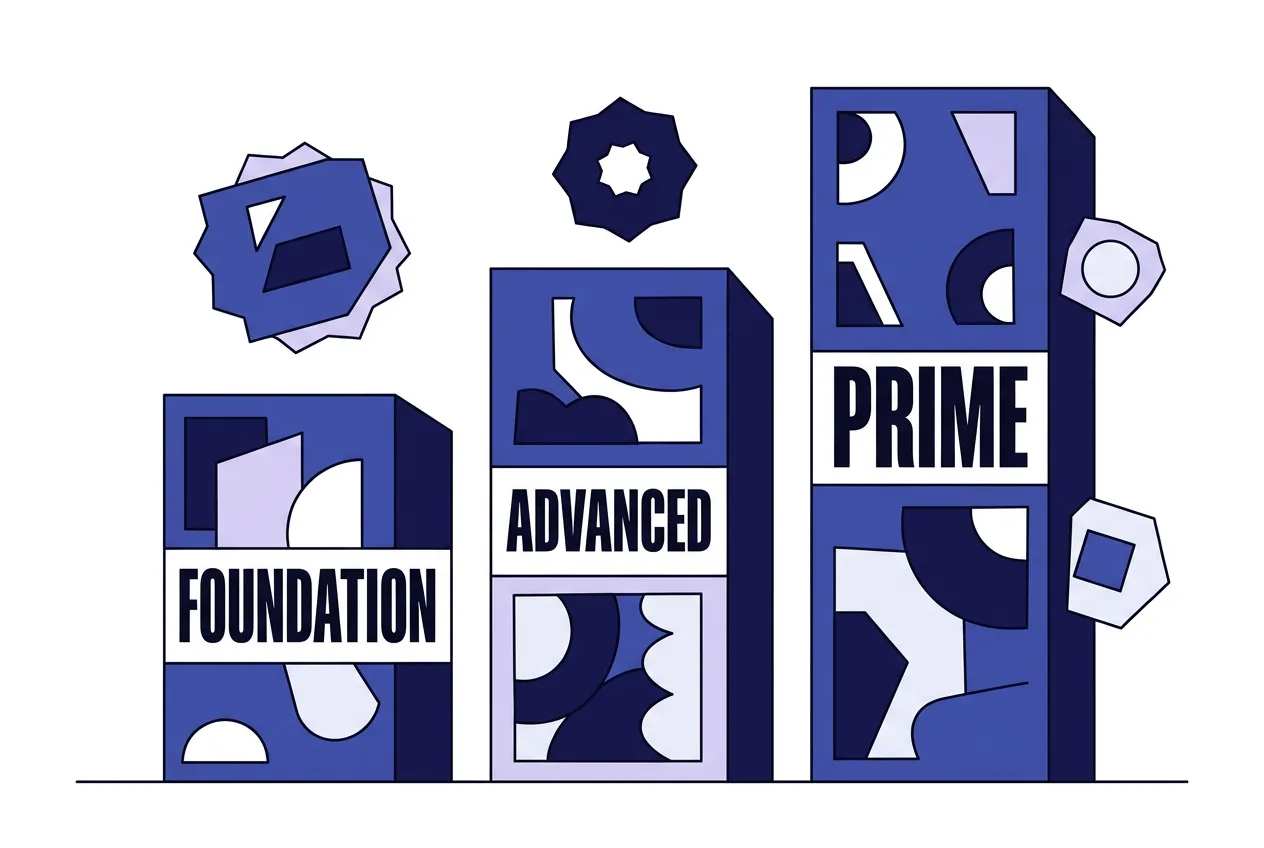
No list prices exist for the Autonomous CRM Engine itself. ServiceNow continues to issue custom quotes for all AI add-ons. The platform moved in April 2026 to Foundation, Advanced and Prime tiers, with AI usage measured in assists and overages billed separately. CRM and Industry Workflows already generate more than $2 billion in annual contract value, while net-new CRM ACV tripled quarter-over-quarter in Q3 2026.
Enterprises evaluating the engine must therefore model both the migration project cost and the ongoing metered AI consumption. Gartner notes that failure to modernise CRM platforms could limit customer-experience gains by up to 50 percent by 2029, yet the current controlled-availability status restricts testing to selected accounts. Early adopters such as Datacom and Xactly have completed consolidations, but wider rollout timing remains unclear.
| Item | ServiceNow Autonomous CRM Engine | Creatio 10.1 | Adobe CX Enterprise |
|---|---|---|---|
| Current status | Controlled availability | Generally available | Generally available |
| AI metering | Assists with overages | Included in tiers | Separate SKU |
| Legacy migration focus | Salesforce first | Multiple sources | Integration heavy |
| Public pricing | None disclosed | Published tiers | Enterprise quote |
Legacy CRM Migration Process and Real-World Cases
The engine explicitly avoids lift-and-shift replication of legacy processes. Instead it applies ServiceNow industry templates during the Design stage, which reduces long-term technical debt but requires stakeholders to accept process changes. Typical projects begin with metadata extraction, move to template mapping, receive approval gates before deployment and end with continuous monitoring to catch drift.
Datacom used the approach to consolidate government and corporate client workflows. Xactly migrated sales, service and delivery onto a single instance in weeks rather than the traditional multi-quarter timeline. Both cases still required internal governance reviews because the tool does not yet cover every regulatory workflow variation. Organisations planning similar moves should audit their custom scripts against ServiceNow metadata coverage before committing to a pilot.
Frequently asked questions
When will ServiceNow Autonomous CRM Engine exit controlled availability?
ServiceNow has scheduled expanded capabilities for 2027 but has not announced a firm general-availability date beyond the November 2026 controlled release.
How does ServiceNow Autonomous CRM Engine handle custom scripts during discovery?
The Discover stage maps custom scripts through metadata APIs, yet objects outside standard coverage still require manual inspection before the Design stage.
What are the current pricing options for the Autonomous CRM Engine?
No public list prices exist. ServiceNow issues custom quotes and measures AI usage in assists under the Foundation, Advanced or Prime tiers introduced in April 2026.
Which legacy platforms does the engine support today?
Initial focus is on Salesforce migrations, with plans to extend coverage after 2027. Telecom and banking workflows remain subject to additional manual configuration.
Comments
No comments yet. Be the first!