
Klarna P2P Payments Europe Launch Review: 13 Countries, Phone Email QR Limits and Stablecoin Plans
Klarna rolled out instant P2P payments across 13 European countries in January 2026 using phone numbers, emails, and QR codes within its app network.
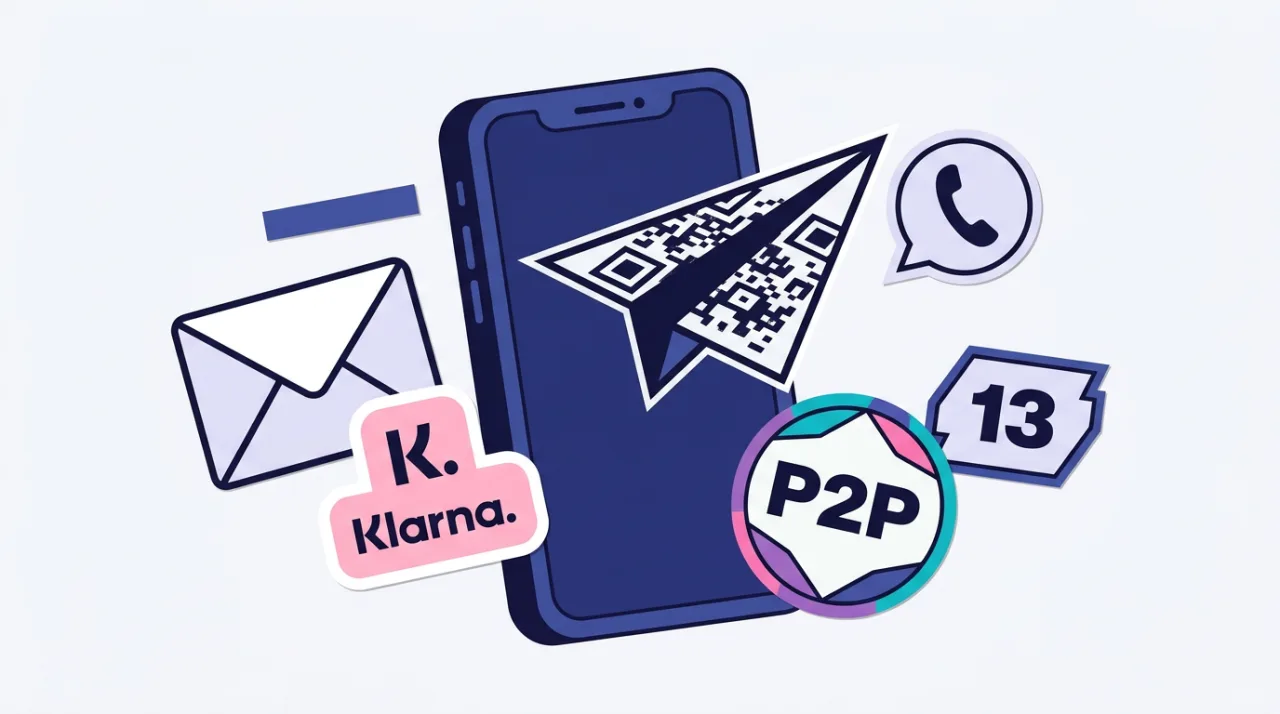
Klarna introduced instant peer-to-peer payments on January 14, 2026, across 13 European countries. The service allows transfers between users who hold funds in their Klarna Balance, with settlement happening immediately inside the app network. It targets the company's existing base of roughly 100 to 114 million users and focuses on domestic transfers for now.
Klarna P2P Payments Features and Availability
Users send money by entering a phone number, email address, scanning a QR code, or selecting saved contacts. The system integrates with device contact lists to reduce steps. All transfers require funds already available in the sender’s Klarna Balance account, and Klarna runs fraud and eligibility checks before completion. The service currently supports only transfers inside the Klarna user base and does not yet reach external bank accounts.
The 13 launch countries include Belgium, Denmark, Finland, France, Germany, Italy, the Netherlands, Norway, Poland, Portugal, Spain, Sweden, and the United Kingdom. Availability depends on having an active Klarna app account and a positive balance. The company describes the experience as comparable to handing over cash while retaining bank-level regulatory protections.
Early users report low friction for small domestic transfers, though the restriction to Klarna-to-Klarna transactions limits immediate utility for broader payments. Klarna plans to open the system to non-Klarna recipients and cross-border flows in later stages.
Fees, Limits, and Stablecoin Integration Plans
Klarna has not published specific per-transaction fees, daily caps, or maximum transfer amounts in the launch materials. Company statements highlight the goal of making small transfers quicker and less expensive than legacy bank options, but concrete pricing details remain absent from public documentation. Users should verify current terms inside the app before sending larger amounts.
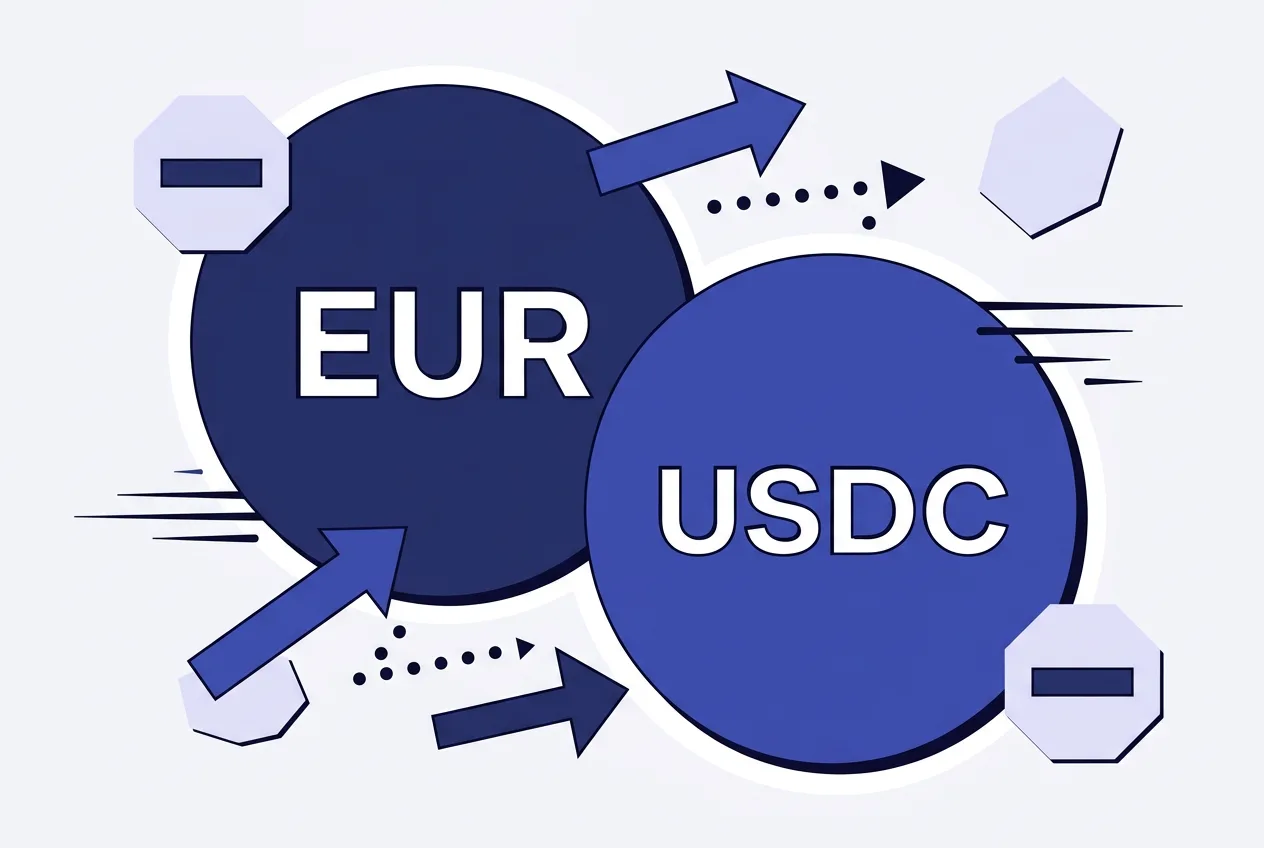
The service runs on conventional banking rails at present. Klarna is separately exploring stablecoin options built on its existing KlarnaUSD token to improve cross-border speed and cost efficiency. No timeline or technical specifications for stablecoin P2P have been released, and the feature remains in the planning phase.
Compared with other instant payment tools, Klarna P2P currently offers fewer payout destinations than services that connect directly to external bank accounts. It also lacks the merchant acceptance networks found in some competing wallets. For users already inside the Klarna ecosystem, the phone, email, and QR options provide a streamlined domestic workflow without leaving the app.
Background and Next Steps for Klarna Users
The P2P feature follows Klarna Balance, which launched in August 2024 and saw deposits rise from 9.5 billion to 14 billion dollars by September 2025. It also follows the Klarna Card rollout that recorded more than four million sign-ups in its first four months. These moves form part of Klarna’s shift from buy-now-pay-later products toward a fuller digital banking offering.
Future updates will focus on expanding reach beyond the current user base and adding cross-border capabilities. No immediate plans for the United States market appear in the launch statements. Business owners and freelancers already using Klarna for other services can test the P2P function for quick domestic reimbursements or client payments once limits are confirmed in the app.
Recipients receive funds instantly in their Klarna Balance and can spend them through existing Klarna tools. Senders should keep transaction records for accounting, as the service does not replace formal invoicing platforms for commercial use.
Frequently asked questions
Which countries support Klarna P2P payments right now?
The service launched in Belgium, Denmark, Finland, France, Germany, Italy, the Netherlands, Norway, Poland, Portugal, Spain, Sweden, and the United Kingdom. It requires an active Klarna app account in one of these markets.
Are there published fees or transfer limits for Klarna P2P?
Klarna has not released specific per-transaction fees or daily limits. Users must confirm current rules inside the app before sending funds, especially for amounts above typical small transfers.
Can I send money to people outside the Klarna app?
Current transfers stay inside the Klarna user network only. Expansion to external recipients and cross-border payments is listed as a future step without a confirmed date.
How does Klarna plan to use stablecoins for P2P?
The company is exploring stablecoin rails based on its KlarnaUSD token for faster and cheaper cross-border transfers. No implementation timeline or technical details have been shared yet.
Comments 11