
n8n Integration Platform Compared to Workato and Celigo for API Workflow Automation
n8n offers flexible self-hosting and low entry pricing for API workflow automation, while Workato and Celigo target enterprises with higher costs and pre-built connectors.
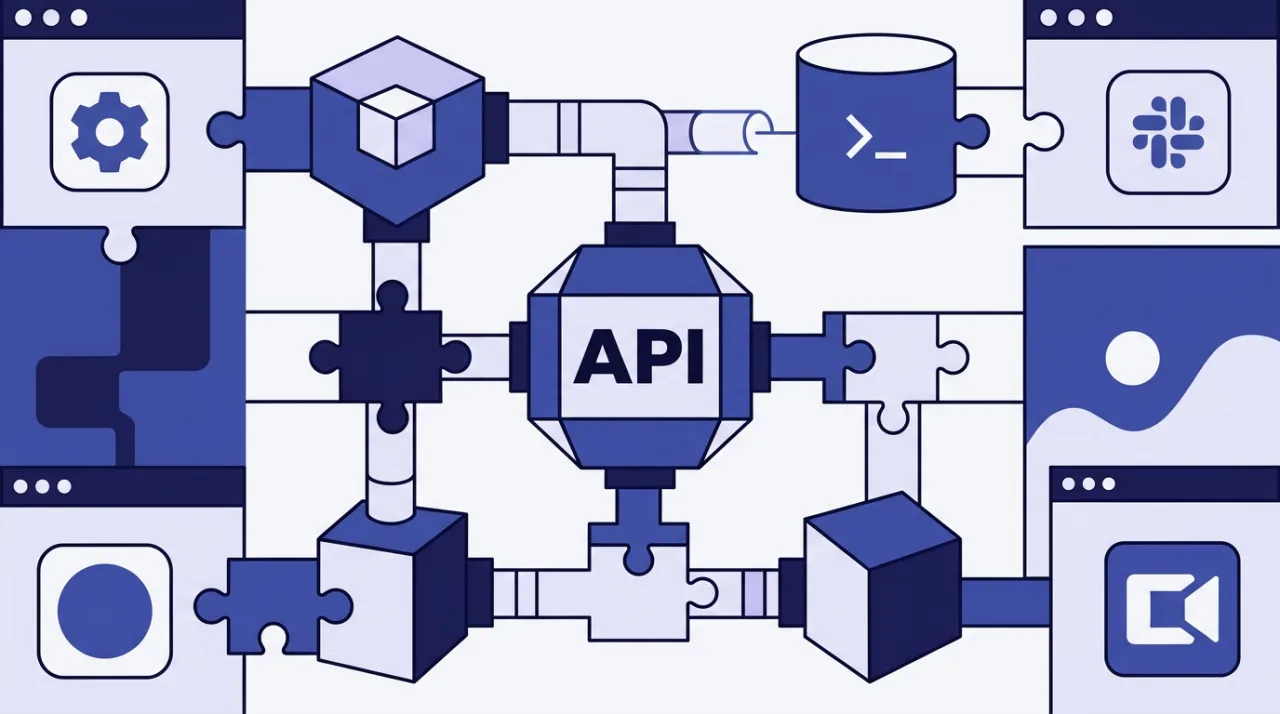
n8n integration platform stands out for developers seeking extensible API workflow automation at lower costs than Workato or Celigo. It supports code nodes and custom connectors while offering a free self-hosted Community Edition with no execution caps. Workato and Celigo emphasize enterprise governance and pre-built ERP connectors but require custom quotes starting at several thousand dollars annually.
Buyers evaluating iPaaS comparison options in 2026 need clear data on execution metering, hybrid deployment, and scaling limits. This guide examines pricing tiers, self-hosting availability, and governance tools based on current plans from each vendor.
n8n Integration Platform Pricing and Execution Limits
n8n charges cloud users by monthly workflow executions rather than per task or connector. The Starter plan costs approximately €20 per month on annual billing for 2,500 executions. Pro rises to €50 for 10,000 executions, and Business reaches €667 for 40,000. Enterprise pricing remains custom and adds governance features.
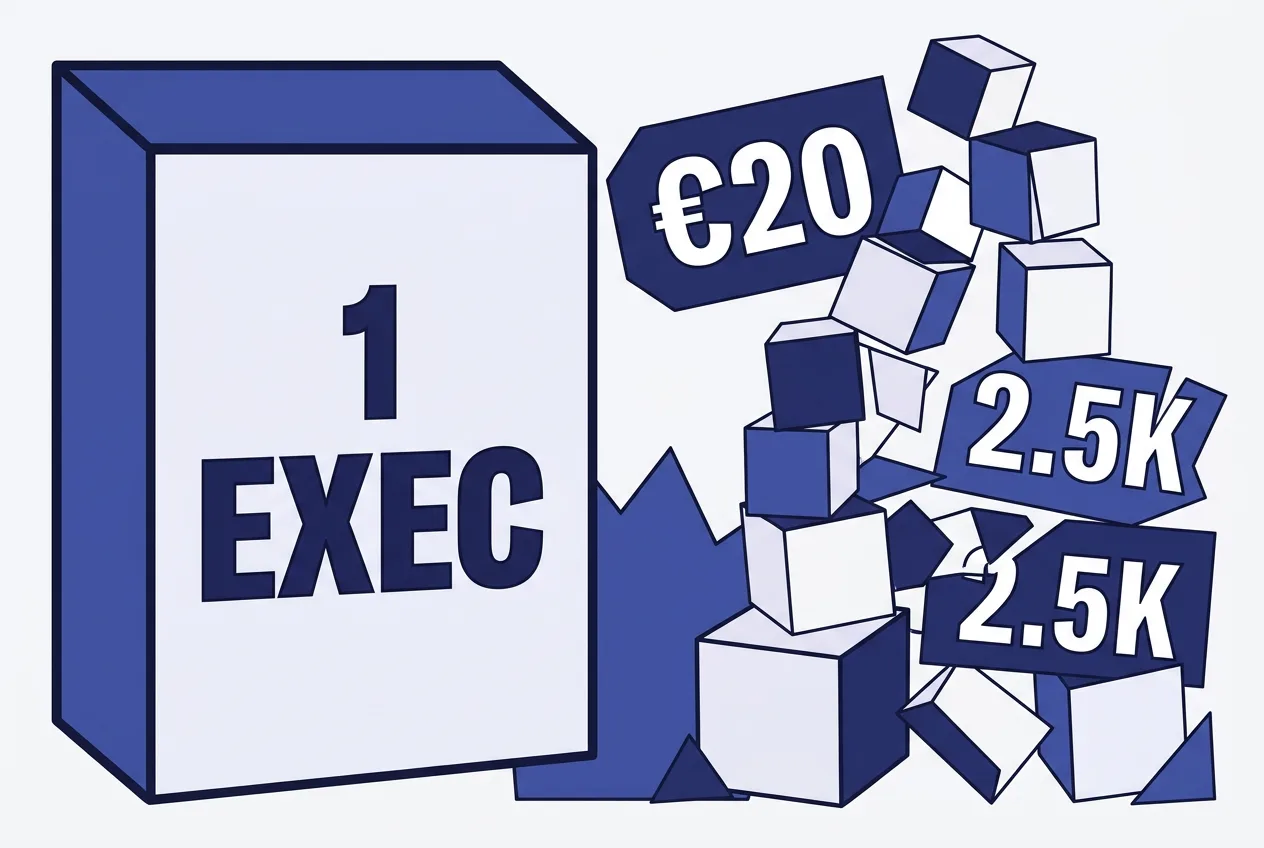
The free Community Edition runs fully self-hosted with unlimited executions, users, and workflows. Paid tiers meter executions only on cloud or licensed self-hosted instances. This model suits variable-volume API workflow automation where technical teams handle scaling.
Workato starts with a one-time free tier of 50,000 credits. Recurring Pro plans range from $75 to $1,275 monthly depending on credits used. Enterprise editions typically begin at $15,000 per year and can exceed $100,000 based on recipes, connectors, and concurrency needs. Celigo offers a limited free plan with two endpoints and one flow; paid tiers start near $600 monthly for Standard and require quotes for higher volumes without per-transaction overages.
Self-Hosting Availability and Enterprise Governance
Only n8n provides a complete free self-hosted runtime through Docker or GitHub without license limits. Its Enterprise tier adds SSO, LDAP, Git version control, multiple environments, queue mode for over 200 concurrent processes, audit logging, and 365-day log retention. These features support regulated API workflow automation deployments.
Workato operates primarily as cloud SaaS with optional on-prem agents limited to three to thirty instances depending on the edition. It supplies RBAC, environments, audit logs, API management, and Agent Studio for AI orchestration but lacks full self-hosting. Celigo remains cloud-hosted with on-prem agent add-ons for hybrid ERP connections. Enterprise editions include SSO, RBAC, SCIM, change data capture, sandbox environments, and support for five million records monthly syncs.
| Platform | Entry Paid Price | Self-Hosting | Key Enterprise Tools |
|---|---|---|---|
| n8n | €20/mo (2,500 executions) | Full free Community + paid governance | SSO, Git, queue mode, audit logs |
| Workato | $75–$1,275/mo (credits) | Limited on-prem agents only | RBAC, AI agents, 1,000+ connectors |
| Celigo | ~$600/mo (Standard) | On-prem agents add-on | SCIM, CDC, NetSuite connectors, 50 concurrency |
Teams running frequent custom transformations benefit from n8n code extensibility and zero-cost self-hosting. Organizations with heavy NetSuite or Salesforce volumes often prefer Celigo predictable flat-rate pricing. Workato suits broad cross-system orchestration when budget allows custom enterprise contracts. All three platforms meet SOC 2 and GDPR standards and support webhooks plus monitoring.
Frequently asked questions
Which platform offers the lowest cost for high-volume API workflows?
n8n Community Edition allows unlimited self-hosted executions at no license cost. Workato and Celigo tie costs to usage tiers or custom quotes that scale with endpoints and concurrency.
Can Workato or Celigo run fully self-hosted?
Neither offers complete self-hosted runtimes. Workato provides limited on-prem agents, and Celigo offers similar hybrid agents as add-ons only.
What enterprise features differ most between the platforms?
n8n adds Git version control and queue-mode scaling. Workato focuses on AI agent tools and broad connectors. Celigo emphasizes deep ERP pre-built flows and predictable record-volume limits.
How do execution limits affect Celigo vs n8n decisions?
Celigo uses flat-rate endpoint pricing without per-task fees. n8n meters executions on paid plans but removes limits entirely on the free self-hosted edition.
Comments 15