
Zerohash AUTH Review 2026: Wallet Connections, Limits and Comparison to On-Chain Alternatives
Zerohash AUTH links custodial accounts to self-custodial wallets for onchain transfers without manual addresses. Platforms set the controls and limits.
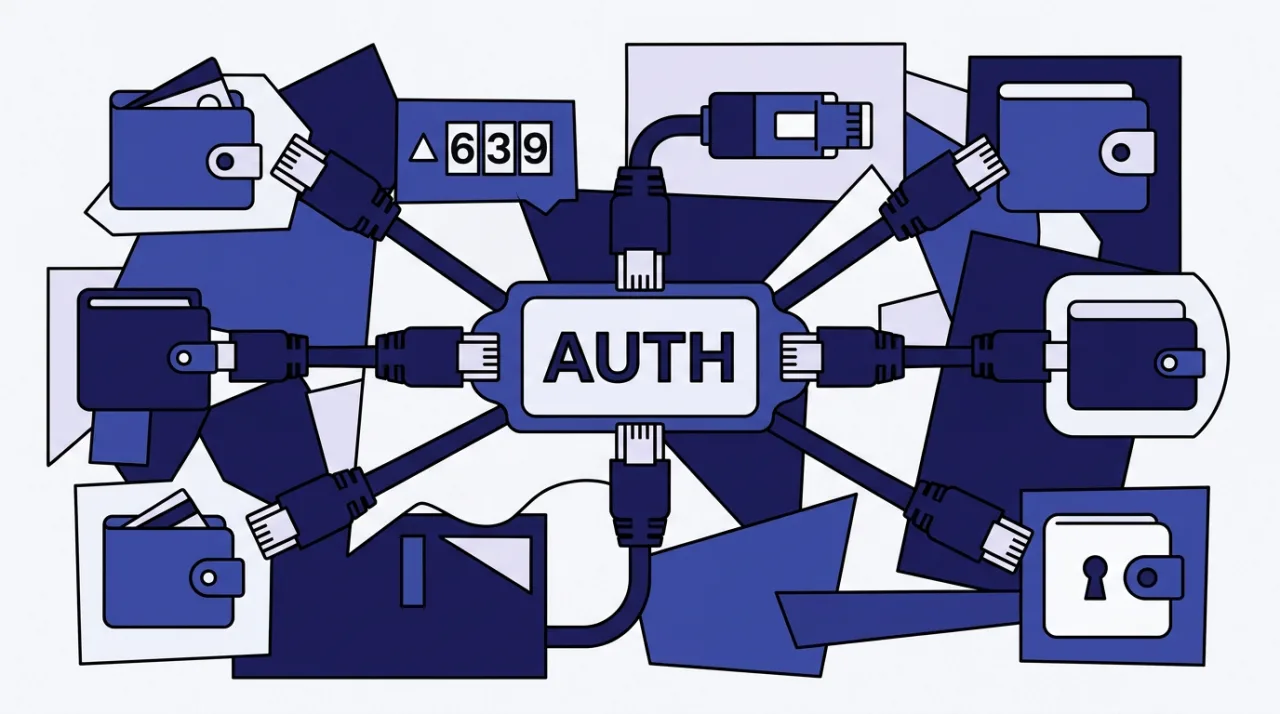
Zerohash AUTH review starts with its October 19, 2026 launch at Money20/20 USA in Las Vegas. The service lets users move crypto, stablecoins and tokenized securities between linked accounts and wallets without copying addresses or choosing networks. Settlement stays onchain while AUTH manages routing in the background.
Platforms integrate the tool via SDK rather than offering a standalone consumer app. Every transfer requires explicit user approval after login and MFA at the connected provider. Classic address-based transfers remain available as a fallback option.
How Zerohash AUTH Manages Wallet Connections
The system supports 639 wallet connections plus four exchange and brokerage accounts. Live examples include Coinbase Exchange, Coinbase Wallet, Robinhood, Gemini, MetaMask and Phantom. Kraken integration sits in beta. The network covers roughly 250 million users across 190 countries and 50 blockchains.
Integration happens at the platform level. End users select a supported connection inside the app, authenticate, review the details and approve. Deposits and withdrawals flow through Zerohash Account Funding or Crypto Transfers products. Specific connections and asset pairs depend on the integrating app.
Practical use cases include moving assets from a brokerage account to a personal wallet or funding a trading account from a self-custodial wallet without manual address entry. The service abstracts chain selection and reduces common errors such as wrong network selection.
Transfer Limits and Platform Controls
Zerohash does not publish fixed per-transaction or daily limits. Each integrating platform defines minimum and maximum amounts in fiat terms, daily volume caps, permitted assets and allowed connections. Network fees follow standard onchain rates and may be paid by the platform or deducted from the transfer.
Optional name-matching uses a Jaro-Winkler similarity threshold, with 0.75 as the default recommendation. When enabled, transfers can be held until identity verification passes. Non-AUTH deposits may enter quarantine if the control is active. These settings vary by platform and asset type.
Zerohash AUTH Compared to Wallet Swaps and DEX Transfers
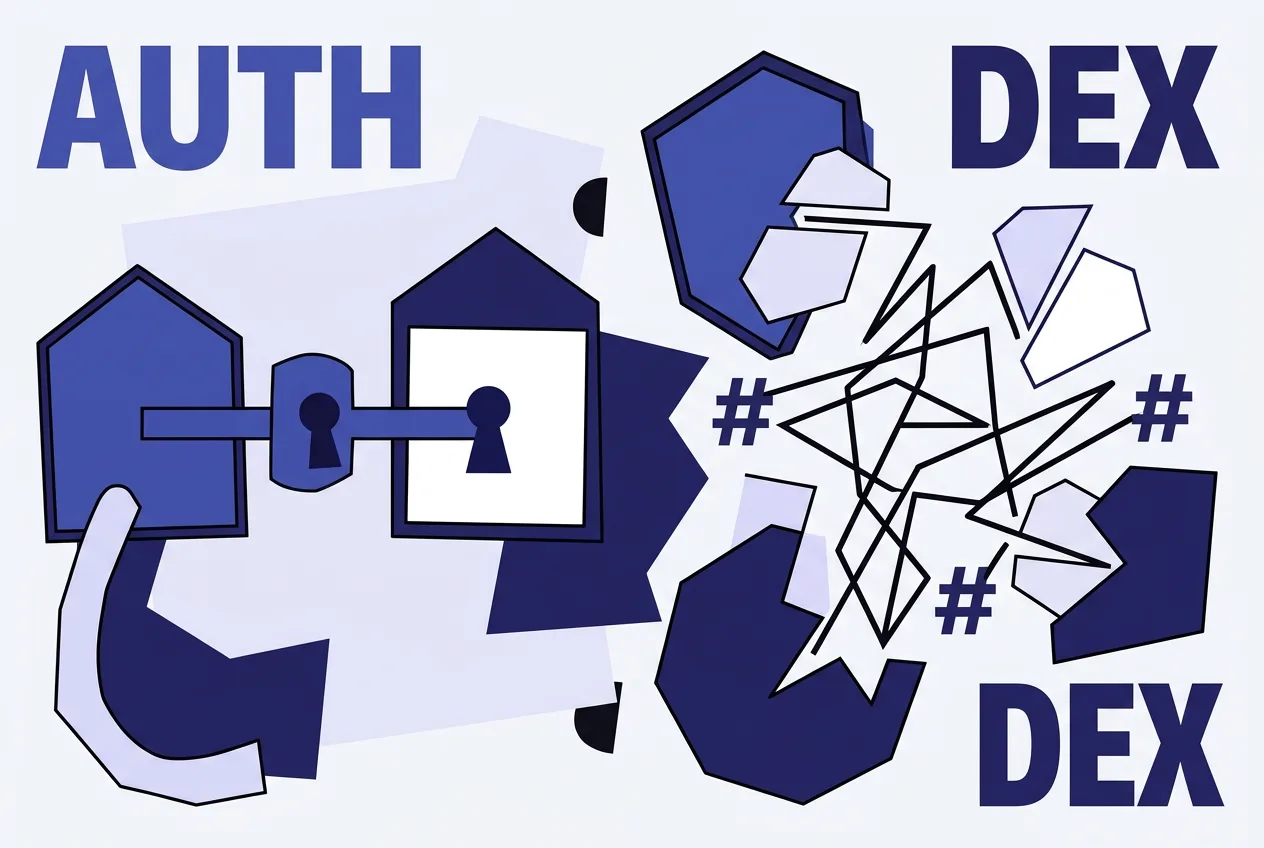
AUTH replaces raw address handling with authenticated account links. Direct wallet-to-wallet transfers or DEX swaps still require public keys, chain selection and often manual verification steps. AUTH keeps settlement onchain but removes those manual steps for linked accounts.
| Feature | Zerohash AUTH | DEX / Wallet Swap |
|---|---|---|
| Address entry | Not required for linked accounts | Required |
| Chain selection | Abstracted by platform | User or app selects |
| User approval | Login + MFA per transfer | Wallet signature |
| Platform integration | B2B SDK only | Public apps and DEXes |
| Identity controls | Optional name matching | None built-in |
Self-custodial users keep full key control; AUTH only substitutes the addressing step. No public usage statistics or fee schedules exist yet, and direct performance benchmarks against Uniswap or similar DEXes are unavailable. Platform-specific rollouts will determine real-world reach and configuration options.
Frequently asked questions
Which platforms currently support Zerohash AUTH transfers?
Support depends on the integrating app. Named live connections include Coinbase, Robinhood, Gemini, MetaMask and Phantom. Kraken remains in beta. Availability of specific assets and transfer directions varies by platform.
Can users set their own transfer limits inside Zerohash AUTH?
No. Each platform configures minimum and maximum amounts, daily caps and permitted assets. Zerohash provides the infrastructure; the platform defines the rules and may apply name-matching checks.
Does Zerohash AUTH replace onchain settlement?
No. Assets still settle on the chosen blockchain. AUTH only handles routing, chain abstraction and authenticated account linking so users avoid manual address entry.
How does Zerohash AUTH differ from a standard DEX swap?
AUTH requires prior account linking and platform approval instead of direct wallet-to-wallet signatures. It targets B2B integrations for brokerages and exchanges rather than public DEX liquidity pools.
Comments 9