
AI Image Generator Pricing 2026: GPT Image 2.5, Nano Banana 2.1, FLUX 3 and Ideogram Compared
Direct comparison of costs, limits and per-image pricing for GPT Image 2.5, Nano Banana 2.1, FLUX 3 and Ideogram in October 2026.
Business users evaluating AI image generators in 2026 need concrete numbers on cost per image and daily limits rather than marketing claims. GPT Image 2.5, Nano Banana 2.1, FLUX 3 and Ideogram each publish different pricing models that affect real spend at scale.
Token-based billing on GPT Image 2.5 produces the widest cost range, while Nano Banana 2.1 and FLUX 3 use flat per-image rates. Ideogram mixes subscription credits with API top-ups. The following sections break down current October 2026 rates and constraints.
AI Image Generator Pricing 2026 Across Four Models
GPT Image 2.5 charges by output tokens rather than fixed images. At 1024×1024 resolution, low-detail generations cost roughly $0.006 each, medium detail reaches $0.013, and maximum detail hits $0.211. Batch processing cuts those figures in half. Input images add $8 per million tokens, with cached inputs at $2 per million.
Nano Banana 2.1 lists flat rates on the Gemini API: $0.0336 for 1K images, $0.0504 for 2K, and $0.0756–$0.113 for 4K. Batch mode reduces these prices by 50 percent. Text inputs cost an additional $1.50 per million tokens when supplied.
FLUX 3 prices start at $0.041 for 768-square images and rise to $0.607 at 4K through the official Black Forest Labs endpoint. The open-weight Klein variant delivered via third-party hosts drops the same sizes to $0.008–$0.036. No extra fees apply for up to ten reference images.
Ideogram API lists Turbo at $0.03, Default at $0.06 and Quality at $0.10 per image. Subscription plans convert credits into lower effective rates; a $20 monthly Plus plan yields roughly 2,400 priority credits that often equate to $0.02 or less per generation at volume. Pay-as-you-go top-ups cost one cent per credit.
| Model | 1K Image Cost | Batch Discount | Free Tier |
|---|---|---|---|
| GPT Image 2.5 | $0.006–$0.211 | 50% | None |
| Nano Banana 2.1 | $0.0336 | 50% | None |
| FLUX 3 | $0.048 | None listed | None |
| Ideogram API | $0.03 Turbo | None listed | 30 slow/week |
Rate Limits and Practical Usage Constraints
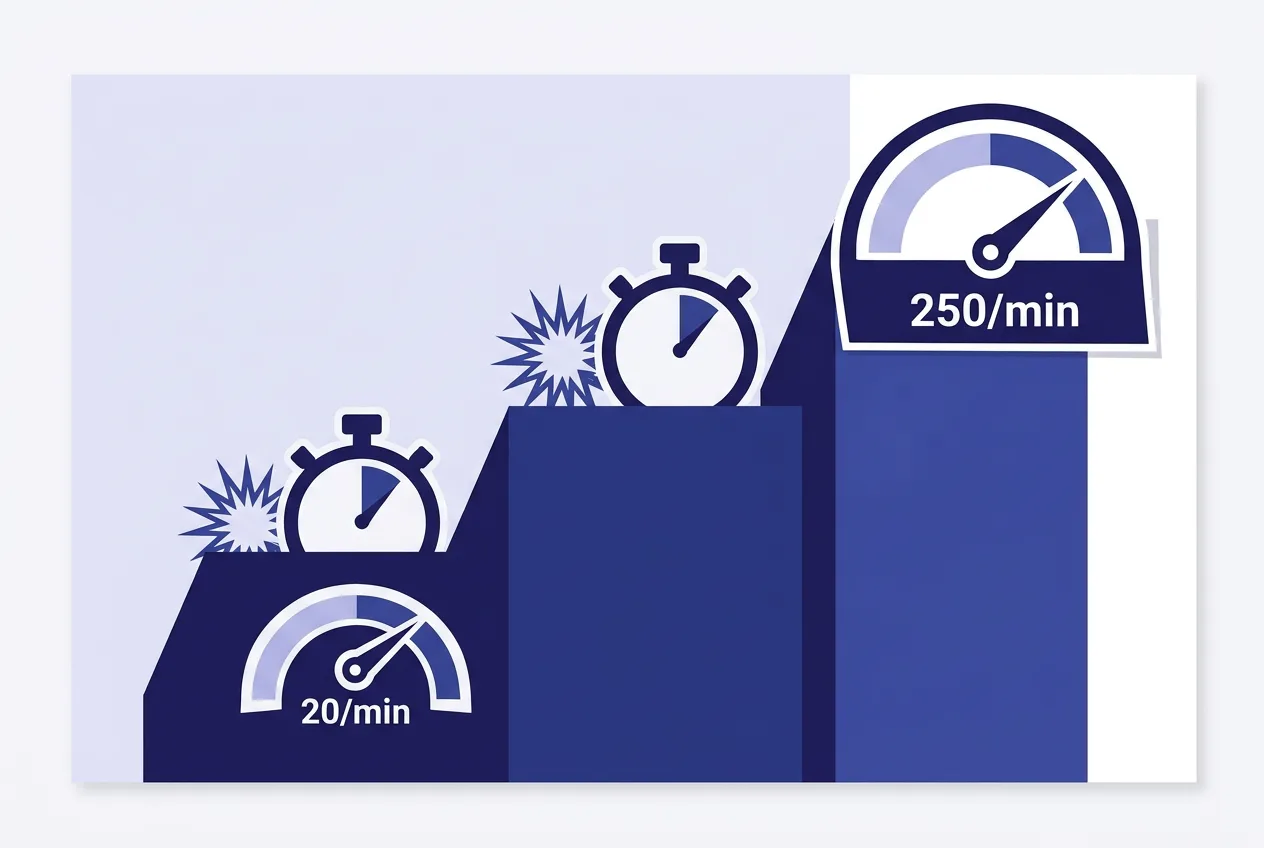
GPT Image 2.5 rate limits scale with subscription tier. The Build tier allows 20 images per minute and 250k tokens per minute; higher Launch and Grow tiers reach 250 images per minute and 8 million tokens per minute. No free API access exists. ChatGPT app usage follows compute-based caps that reset on a rolling schedule.
Nano Banana 2.1 enforces project-level RPM and IPM caps visible inside Google AI Studio. Spend limits begin at roughly $10 per 10 minutes in Tier 1. Gemini app accounts refresh every five hours to a weekly ceiling; paid AI Plus and Pro plans multiply available compute by two to four times.
FLUX 3 defaults to 24 concurrent tasks on the official endpoint. Users needing higher throughput must request increases directly. The Klein variant inherits limits from the host provider rather than Black Forest Labs.
Ideogram caps concurrent requests at about ten by default and adjusts queue priority according to plan. Free users receive around 30 slow generations weekly; paid plans replace slow queue slots with priority credits that also cover editing operations.
Choosing the Right Model for Budget and Workflow
Teams producing thousands of standard-resolution images per month typically favor GPT Image 2.5 low-detail or Ideogram Turbo for the lowest unit cost. Projects requiring 4K output or heavy reference images shift the advantage to Nano Banana 2.1 batch pricing or the cheaper Klein variant of FLUX 3.
Actual spend often exceeds listed rates once retries, prompt complexity and reference images are included. Logging token or credit consumption over a two-week test period provides the only reliable forecast for each workflow. Official pricing pages remain the authoritative source as model versions and batch policies continue to evolve through the remainder of 2026.
Frequently asked questions
Which model offers the lowest cost per 1024 image in October 2026?
GPT Image 2.5 low-detail mode starts near $0.006 per image, followed by Ideogram Turbo at $0.03. Actual cost rises with detail level and input tokens.
Do any of these services provide a free API tier?
None of the four models offers a free production API tier. Ideogram supplies 30 slow generations per week on its web plan, but API access requires credits or subscription.
How much does batch processing reduce costs?
GPT Image 2.5 and Nano Banana 2.1 both cut listed rates by approximately 50 percent when batch mode is enabled. FLUX 3 and Ideogram do not publish batch discounts at this time.
What rate limits apply to GPT Image 2.5 on the Build tier?
Build tier permits 20 images per minute and 250,000 tokens per minute. Higher tiers increase these ceilings up to 250 images and 8 million tokens per minute.
How do Ideogram subscription credits compare to pay-as-you-go API rates?
A $20 monthly plan yields credits that often translate to $0.02 or less per image at volume, while direct API Turbo charges $0.03. Top-ups remain available at one cent per credit.
Comments 6