
Sage CRM 2026 R2 Review: Java 11 Upgrade, Entra ID and Semantic Search Changes
Sage CRM 2026 R2 introduces a Java 11 platform upgrade, improved Entra ID support and a new semantic search tool that replaces the previous AI assistant.
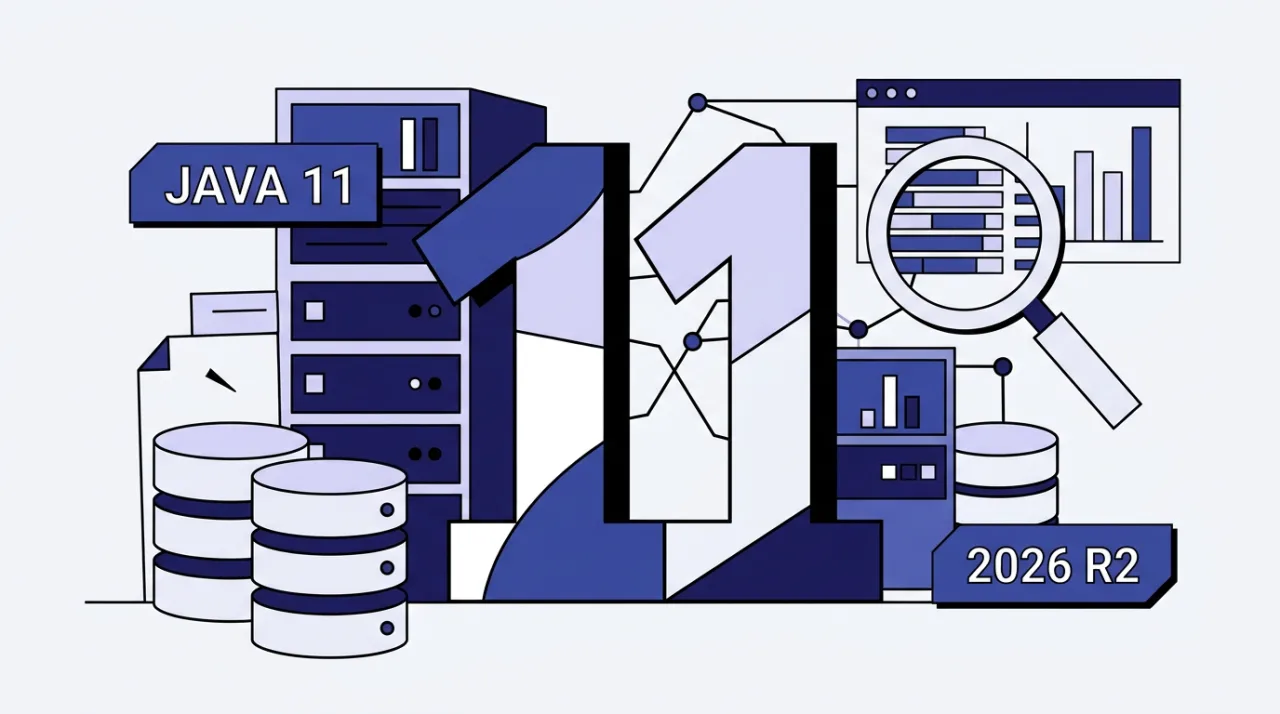
Sage CRM 2026 R2 review shows a focused release centered on infrastructure modernization and identity integration rather than new user-facing modules. The update reaches general availability for Sage regional operating companies on 23 October 2026. Business teams evaluating the platform should weigh the security and compatibility gains against deployment effort and the continued reliance on sales-led pricing.
Sage CRM 2026 R2 Java 11 Upgrade and Platform Modernization
The core change in this release moves the platform from Java 8 to Java 11, accompanied by updates to Apache Tomcat, Apache Solr and OpenSSL libraries. Sage states that internal testing recorded performance improvements on several screens and that the upgrade strengthens long-term security posture and infrastructure compatibility. These changes also prepare the system for future development work that would have been blocked on the older runtime.
Organizations running on-premise or hybrid installations will need to verify that their current server operating systems and reverse-proxy configurations support Java 11. The upgrade does not alter existing data structures or customizations, but it does require testing of any third-party extensions that interact with the Tomcat layer. Sage CRM Labs features and priority issue resolutions are included alongside the Java changes, continuing the metadata-driven architecture that allows partners to extend entities without core code changes.
Teams planning the migration should schedule the update during a maintenance window and review the documented reverse-proxy and Azure environment settings released with the R2 notes. A free partner and customer webinar scheduled for 27 October 2026 will provide live walkthroughs of the upgrade path.
Microsoft Entra ID Integration and Semantic Search Capabilities
Microsoft Entra ID integration expands to include automated user import and provisioning, single sign-on through the Application Proxy, and multi-factor authentication enforcement. These additions reduce manual account management for companies already standardized on Microsoft identity services and improve audit trails for compliance reporting. Support for reverse-proxy deployments in Azure environments also receives incremental improvements.
The release replaces the earlier third-party AI assistant with Sage Semantic Search, an in-house engine that interprets natural-language questions, synonyms and minor typos while drawing only from verified product documentation. An Enriched Semantic Schema extends the REST API with richer entity, field and relationship descriptions, which partners can use when building custom AI integrations. No quantitative limits on query volume or context length appear in the current documentation.
Compared with Microsoft Dynamics 365 CRM 2026 updates that added thirty Copilot skills, Sage CRM keeps its AI scope narrower and focused on help retrieval rather than generative workflow actions. Zoho CRM Q3 2026 updates similarly emphasize agent automation, while Sage prioritizes identity alignment and platform stability.
| Feature | Sage CRM 2026 R2 | Microsoft Dynamics 365 | Zoho CRM |
|---|---|---|---|
| Identity integration | Entra ID provisioning and SSO | Microsoft 365 + Entra ID | Google and Microsoft SSO |
| AI scope | Semantic help search only | 30 Copilot skills | Zia agents and workflows |
| Platform runtime | Java 11 upgrade | Cloud-native .NET | Cloud-native Java |
| Pricing model | Sales-led, contact sales | Per-user tiers from $10 | Per-user tiers from $14 |
Sage CRM Pricing 2026 and Practical Deployment Advice
No official price list accompanies the 2026 R2 release. Third-party estimates place cloud Professional and Advanced tiers between $39 and $69 per user per month, with some reports citing an average of $45. On-premise perpetual licenses typically range from $800 to $1,500 per user plus 20–25 percent annual maintenance. Actual costs depend on user count, required integrations, deployment type and regional partner margins.
Businesses should request detailed quotes that itemize connector fees, sandbox storage and any Entra ID proxy licensing. Typical mistakes include underestimating the time required to validate custom Java-based extensions and overlooking the need for updated reverse-proxy certificates after the Tomcat upgrade. Organizations with fewer than 50 users often find self-hosted options more economical, while larger teams benefit from cloud deployments that absorb maintenance of the Java stack.
Reviewers note that the release focuses on foundational stability rather than headline features, making it suitable for companies already committed to the Sage ecosystem that need better Microsoft identity alignment and future-proof infrastructure.
Frequently asked questions
When does Sage CRM 2026 R2 become available to partners?
General availability for Sage regional operating companies starts 23 October 2026, with partner release following through standard local channels shortly afterward.
What changes does the Java 11 upgrade bring to existing customizations?
Data structures and metadata customizations remain unchanged, but any extensions that rely on Tomcat or older Java libraries require testing before production rollout.
Does Sage Semantic Search replace the previous AI assistant completely?
Yes, the new in-house engine supersedes the prior third-party technology and will receive patches for supported versions back to 2024 R2.
Are there published limits for Sage Semantic Search queries?
Current documentation does not specify query volume or context length limits; the emphasis remains on improved natural-language accuracy within verified help content.
Comments 11